AI Blind Spot Cameras for Commercial Fleets: A Practical Guide
- Share
- publisher
- Vicky
- Issue Time
- Jan 13,2026
Summary
An AI blind spot camera can watch a set area beside a commercial vehicle. Learn how it works, what affects alerts, and what fleets should test.
Blind Spot Camera Guide
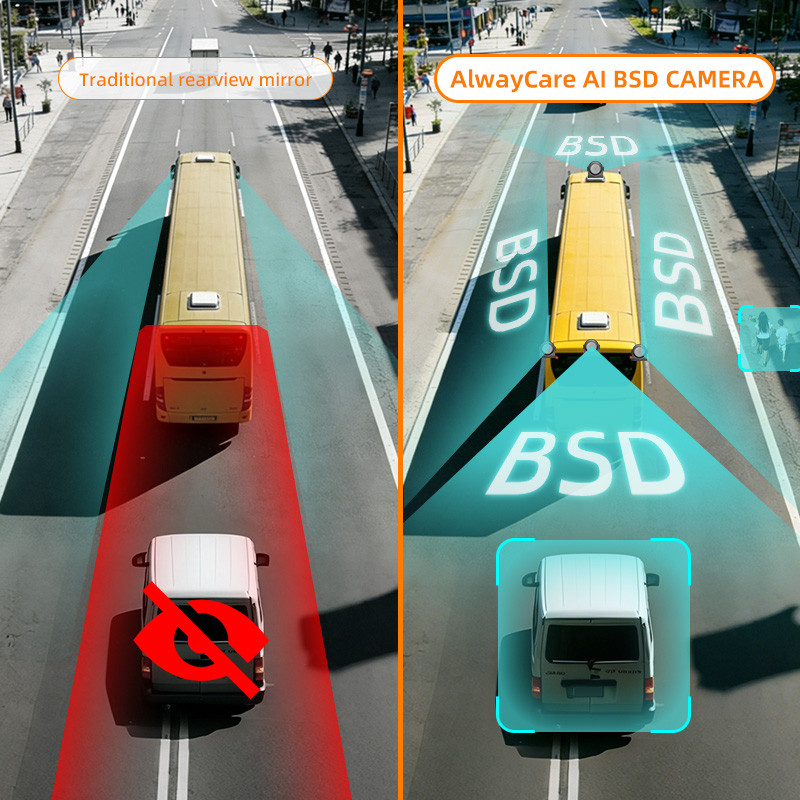
An AI blind spot camera watches a set area beside a vehicle and looks for chosen road users or objects. It can give the driver a warning, but it cannot make every lane change safe.
The short answer
A blind spot camera can add useful side vision to a truck, bus or work vehicle. The result depends on camera position, the detection zone, warning rules and driver response. There is no public test that supports a fixed 80% risk reduction for every fleet.
What is a vehicle blind spot?
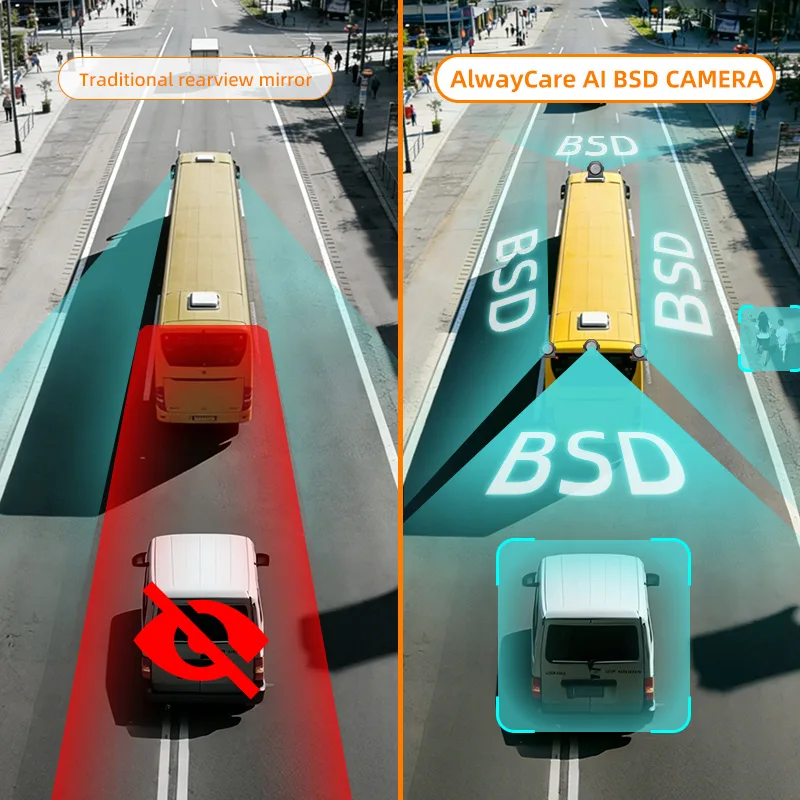
A blind spot is an area the driver cannot see well from the seat. The vehicle body, mirrors, doors and load can block the view.
The blind area changes with vehicle size and camera or mirror position. It also changes when the vehicle turns.
How does an AI blind spot camera work?
The camera watches a set zone
The installer aims the camera at the side area that needs support.
The software checks the image
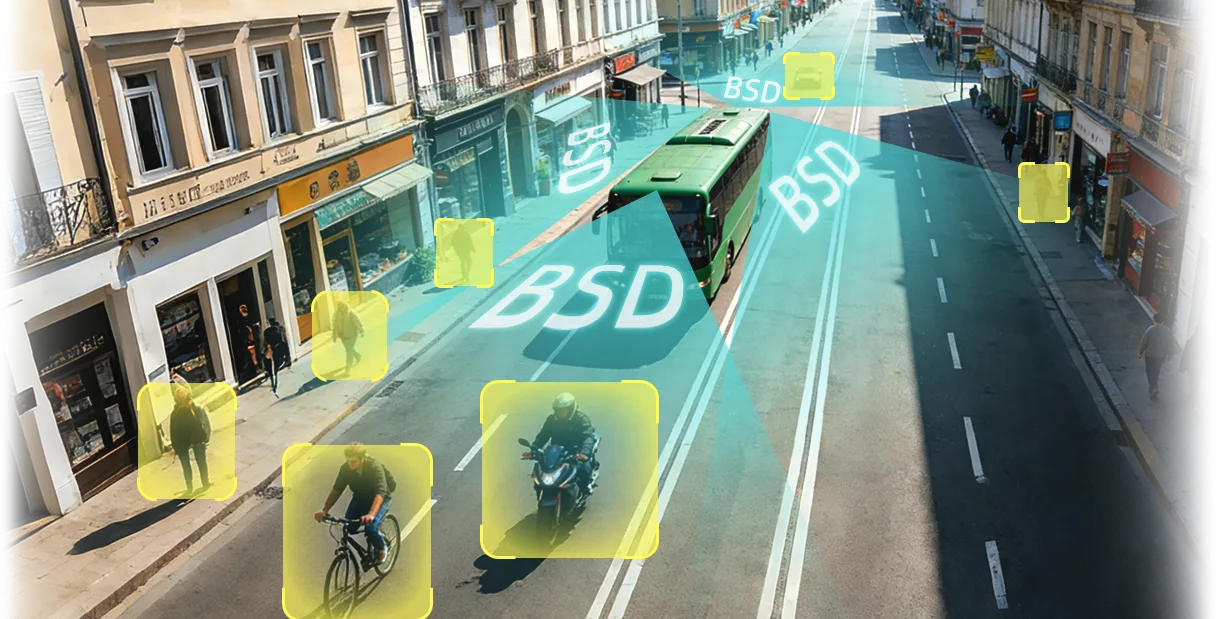
The system looks for chosen targets such as people, bicycles or vehicles.
The system applies a warning rule
It checks the target, zone and other set conditions.
The driver gets an alert
A sound or light warns the driver to stop and check.
The driver still needs mirrors, signals, a safe gap and a final check before moving.
What should a fleet test?
- Camera view: check the full side area and the edge of the vehicle.
- Target types: test people, bicycles, motorcycles, cars and fixed objects.
- Day and night: test sun, shade, rain and low light.
- Turns: check how the zone behaves when the vehicle turns.
- False alerts: test rails, signs, parked vehicles and road edges.
- Driver action: make sure each warning has one clear response.
Why do too many alerts cause a problem?
Drivers may stop trusting a system that warns about normal objects all day. This is called alarm fatigue.
Set the zone for the vehicle and route. Review saved events and driver reports. Change the setup when the alerts do not match the real risk.
Where does CC1004-BSD fit?
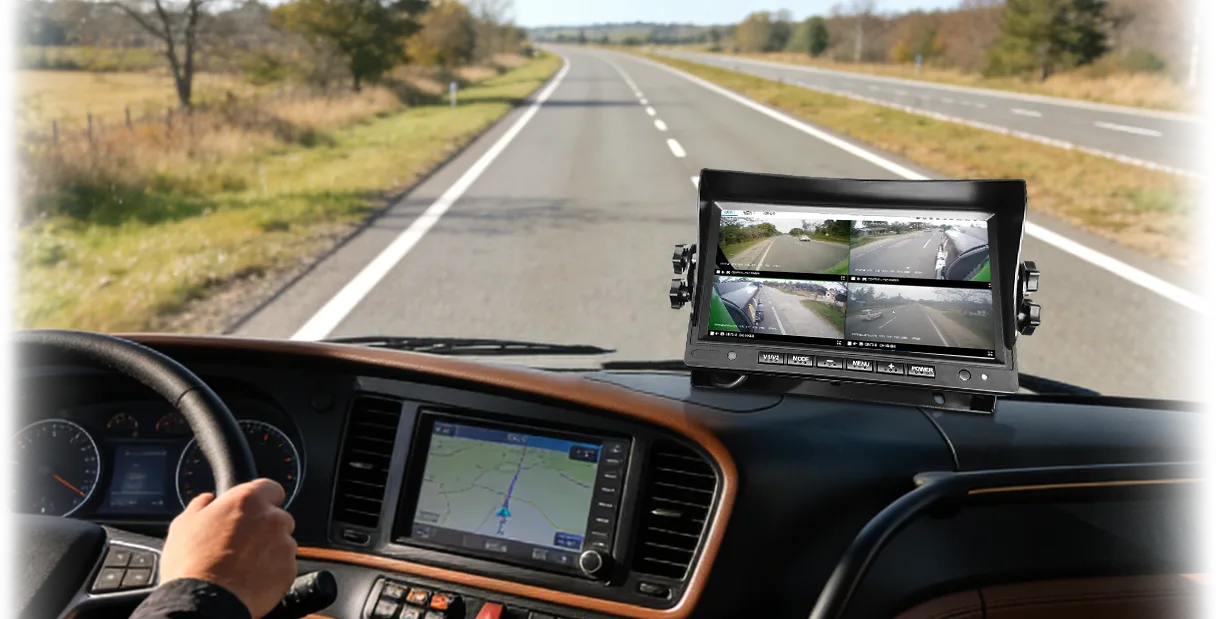
The AlwayCare CC1004-BSD is a 1080p AI blind spot camera. Its product record lists starlight night vision and support for an external sound or light warning.
The camera can support a chosen side zone. It does not remove the driver's duty to check the road. The fleet must test the exact mount, view and warning setup.
Common questions
Can one camera cover every blind spot?
No. Coverage depends on the lens, position, vehicle body and target area.
Does AI make every alert correct?
No. Light, weather, dirt and unusual objects can affect results.
Can the driver stop checking mirrors?
No. The camera adds information. It does not replace normal safe-driving checks.
Key point to remember
A blind spot camera is a driver aid. Map the real blind area, fit the camera correctly, test the warning and teach the driver what to do.
Explore the AlwayCare blind spot solution or contact AlwayCare.
Information checked
This guide uses public NIOSH vehicle-visibility material and the current CC1004-BSD record. It removes the unsupported 80% reduction claim.