Automatic Passenger Counting Systems for Buses: A Practical Guide
- Share
- publisher
- Vicky
- Issue Time
- Jan 20,2026
Summary
An automatic passenger counting system counts people as they get on and off a bus. Learn how APC works, what affects the count, and what fleets should check.
Bus Fleet Guide
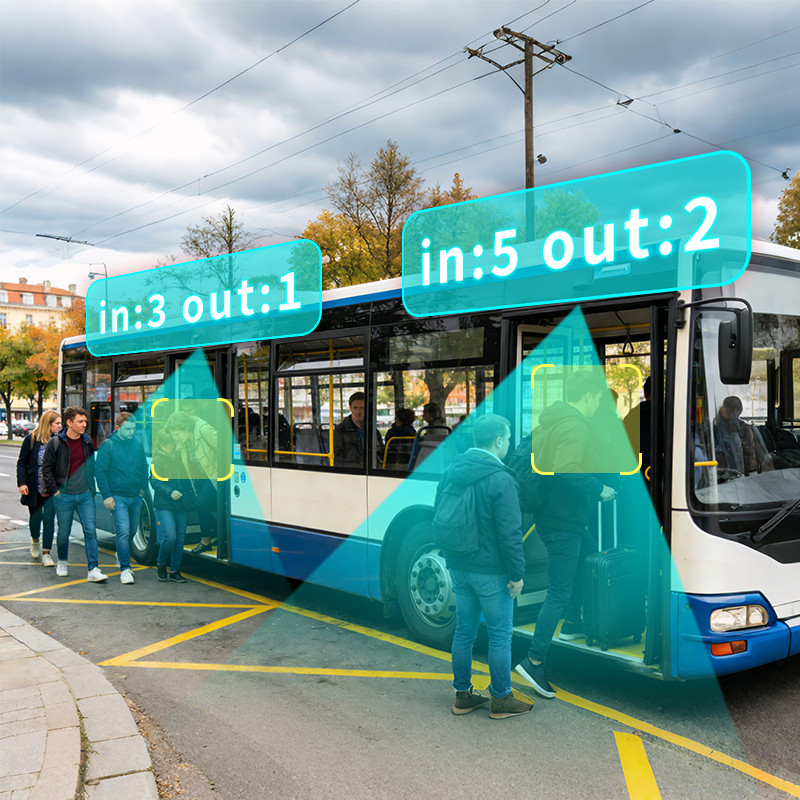
An automatic passenger counting system counts people as they get on and off a bus. It is often called an APC system. The data can help a fleet see when and where people use a service.
The short answer
An APC system uses a camera or sensor near a bus door. It counts people moving in each direction. A fleet can match the count with a time, trip, route, stop, or vehicle.
What is an automatic passenger counting system?
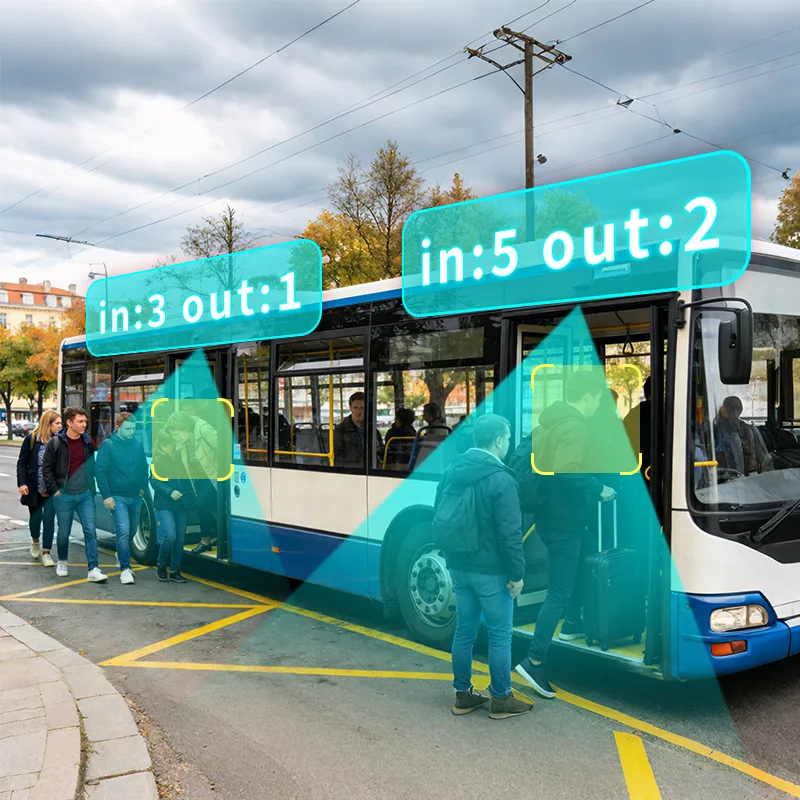
An APC system watches a set area near a bus door. It counts people who enter and people who leave. Some systems also save the time, vehicle, route, and location.
APC is not the same as a fare system. A fare system records tickets or payments. APC records passenger movement. A fleet may compare both sets of data, but they answer different questions.
Door coverage matters: If passengers use three doors, all three need to be covered for a complete vehicle count.
How does a bus passenger counter work?
-
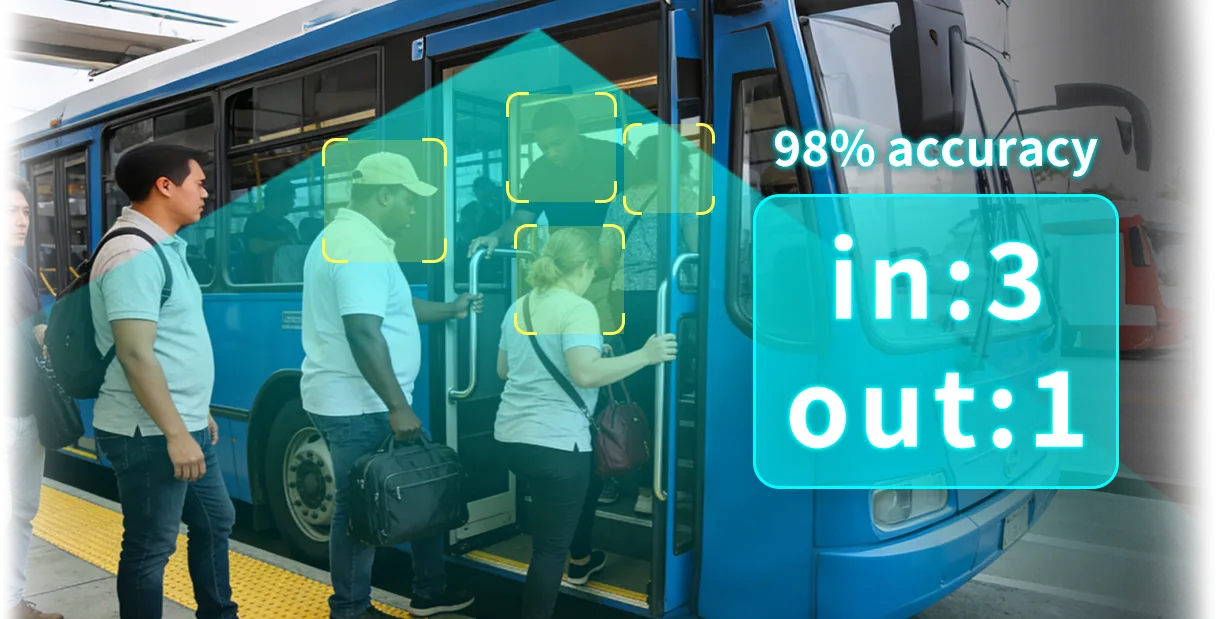
The sensor watches the door
A camera or sensor looks at the area where people pass.
-
The system checks direction
It works out whether a person is getting on or getting off.
-
The system saves a count
The record may include the time, door, vehicle, or location.
-
The fleet reviews the data
The records go to a report or fleet platform for checking.
AI can help the system understand busy door scenes. It still needs the right camera position, setup, and testing.
What can a fleet learn from APC data?
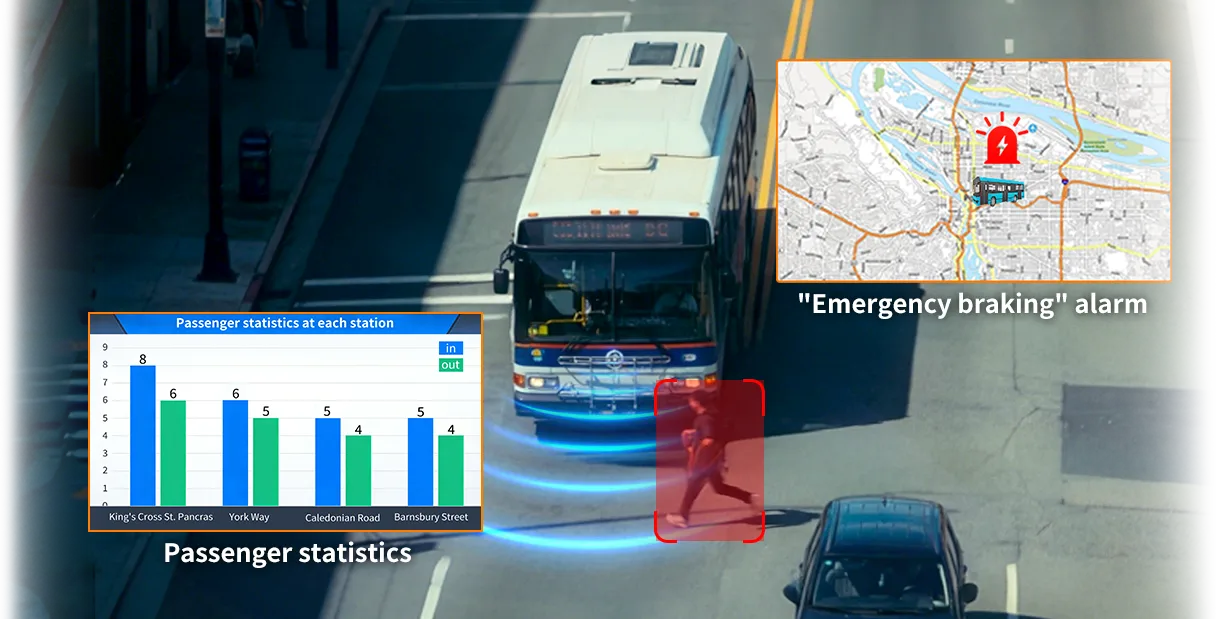
Boarding points
See where passengers get on and where they leave.
Busy times
Compare passenger numbers by time, trip, or day.
Passenger load
Estimate how many passengers remain on the bus between stops.
Route changes
Find trips that may need a closer look at buses or schedules.
APC data can support a planning talk. It does not make the final decision. A fleet must also review costs, service goals, local rules, and passenger needs.
What can change the count?
A number on a product sheet does not tell the whole story. Results can change on each bus and door.
- Crowds: Many people may pass the door at the same time.
- Door size: A wide door may need a different setup.
- Camera position: A poor angle can hide part of the passenger flow.
- Light: Bright sun, shadows, or low light may affect the view.
- Movement: Vibration can move the camera or change its view.
- Objects: Bags, rails, doors, or signs may block the counting area.
- Data loss: An offline device or failed upload can leave gaps.
Test the system in the real bus. Include quiet and busy trips. Compare the result with a careful manual count.
What should a fleet check before buying?
- Doors: Count the doors used by passengers and check the mounting space.
- Goal: Decide which counts and reports the fleet really needs.
- Connection: Check how the device sends and stores its data.
- Test plan: Agree on how the fleet will check count results.
- Missing data: Decide what happens when a device or network fails.
- Privacy: Set rules for video, access, storage, and deletion.
- Support: Choose who will fix devices and review strange counts.
- Training: Teach drivers and office staff what the system does.
Start with a small pilot. Use more than one type of bus or door if the fleet has different vehicles. Fix any problems before a full rollout.
Where does AlwayCare PC23 fit?
The AlwayCare PC23 AI Passenger Counter has two passenger-counting channels and four video channels. The product record also lists GPS and Beidou position data, 4G or Wi-Fi, and H.264/H.265 video.
PC23 may suit a bus with up to two counting areas. The exact fit depends on the doors, camera view, wiring, network, and data needs.
DMS and ADAS are optional links, not standard PC23 functions. Any accuracy target should be tested on the fleet's own vehicles. Ask for the test method, not only a percentage.
Common questions
Is APC the same as a fare system?
No. APC counts passenger movement. A fare system records payments or tickets.
Does every passenger door need a counter?
Yes, if the fleet wants a complete vehicle count. The exact setup depends on each door.
Can APC show the number of people on the bus?
It can support an estimate. The starting count and every used door must be correct.
Is one accuracy number enough?
No. Ask how, where, and when the number was measured. Check how missing data was handled.
Key point to remember
An APC system can give a bus fleet useful passenger data. Good results depend on full door coverage, correct setup, real-world testing, and complete records.
Check the PC23 product page for listed functions, or contact AlwayCare about a project.
Information checked
This guide uses public transit guidance about APC setup, testing, door coverage, and data quality. It also uses the current AlwayCare PC23 product record. Always test the system on the intended vehicles.