ELD vs. AOBRD: What U.S. Fleets Need to Know
- Share
- Issue Time
- Jan 28,2026
Summary
The AOBRD changeover ended in 2019 for U.S. fleets covered by the ELD rule. Learn what an ELD does and what fleets should check before choosing one.
U.S. Fleet Guide
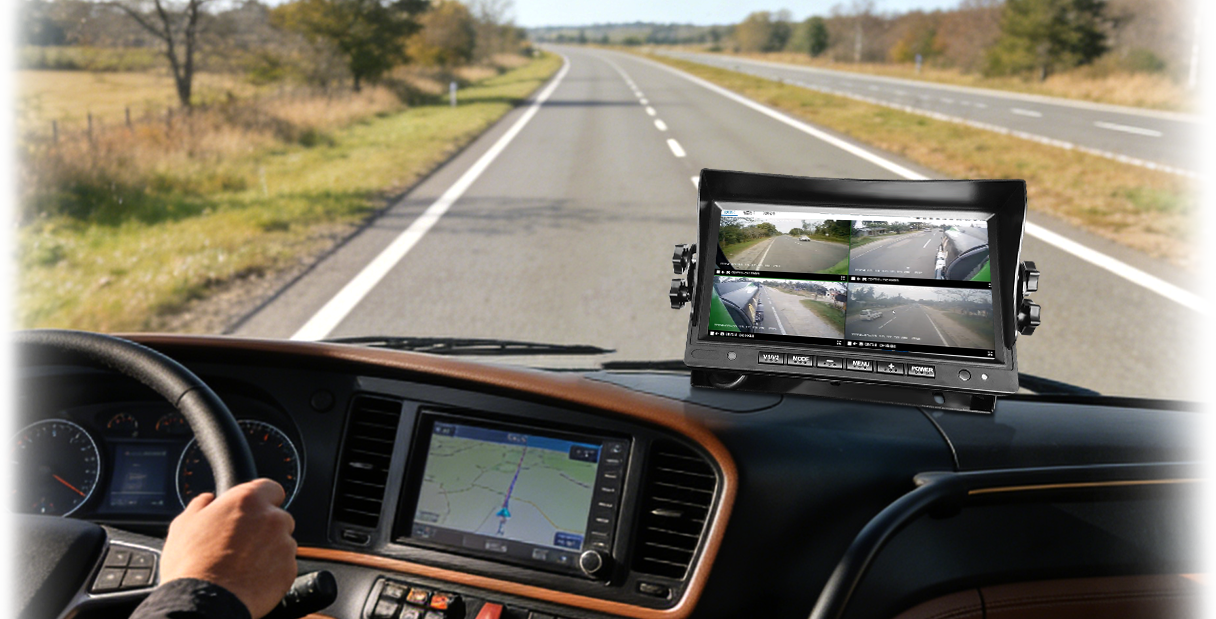
An ELD is the current type of electronic log used by U.S. fleets that must follow the federal ELD rule. An AOBRD is an older type of device. The AOBRD changeover period ended on December 16, 2019.
The short answer
For most covered U.S. fleets, ELD versus AOBRD is no longer a buying choice. A fleet should check whether the ELD rule applies. It should then check the exact device on the current FMCSA list.
What do ELD and AOBRD mean?
ELD
ELD means Electronic Logging Device. It records a driver's duty status under the current U.S. federal rule.
AOBRD
AOBRD means Automatic On-Board Recording Device. It followed an older set of U.S. rules.
The two systems did a similar basic job, but their rules were not the same. ELDs have newer technical and record-sharing needs.
ELD makers certify their own devices and register them with the Federal Motor Carrier Safety Administration, or FMCSA. This does not mean the FMCSA tested each device for the fleet.
Can a fleet still use an AOBRD?
The federal AOBRD changeover period ended on December 16, 2019. A fleet covered by the federal ELD rule should not buy an AOBRD as its current logging system.
Some drivers or trips may have an exception. Do not guess. Check current FMCSA rules for the exact driver, vehicle, work, and trip.
How does an ELD work each day?
-
The driver signs in
The right driver account must link to the right vehicle and log.
-
The device records driving
The ELD uses vehicle and engine data when the rule requires it.
-
The driver checks the log
The driver reviews the record, adds notes, and deals with allowed edits.
-
The log can be shared
The driver must know how to show or send records during a roadside check.
-
The fleet keeps the records
The office needs a clear process for storage, access, support, and review.
What should a fleet check before choosing an ELD?
- Rule: Check which drivers and trips must use an ELD.
- Device: Find the exact device name and model on the current FMCSA list.
- Status: Check for warnings, removed devices, or needed software changes.
- Vehicle: Test the cable, power, engine link, phone or tablet, and network coverage.
- Roadside check: Make sure drivers can show and send the right records.
- Failure plan: Teach staff what to do when the ELD stops working.
- Training: Train drivers, dispatchers, safety staff, and system admins.
- Records: Set clear rules for access, storage, backup, and review.
Test the system with a small group before using it across the fleet. A short test can find poor cables, weak coverage, and confusing steps.
Is GPS tracking the same as an ELD?
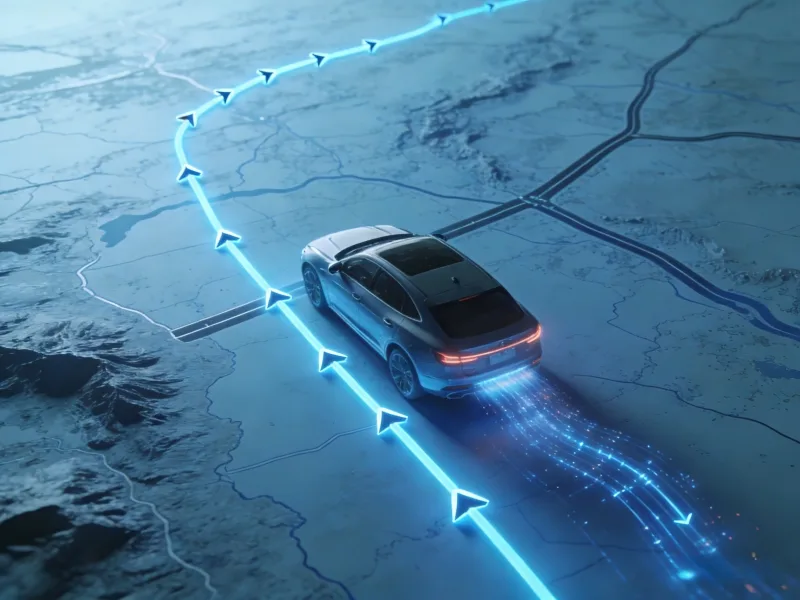
No. GPS tracking shows where a vehicle is and how it moves. An ELD makes the duty-status records required by the ELD rule.
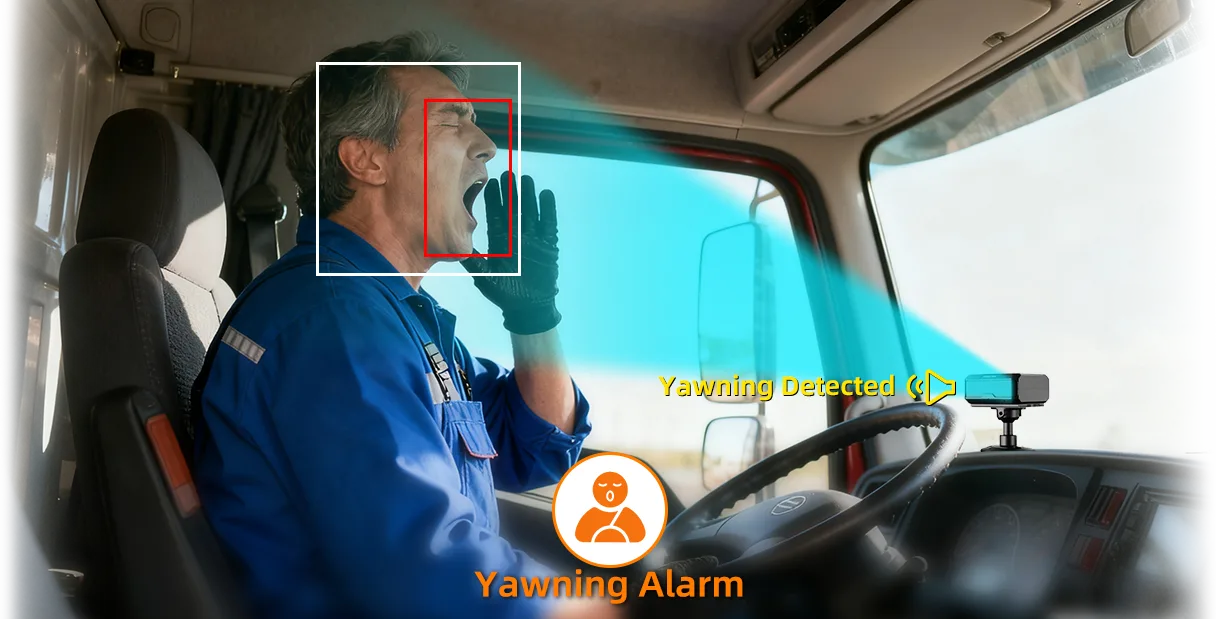
A camera also has a different job. It may record road events. A driver monitoring system may warn about fatigue or distraction. These tools can support safety, but they do not become an ELD by sharing data.
AlwayCare product boundary: AlwayCare sells fleet video, driver monitoring, and positioning technology. This article does not claim that those products are FMCSA-registered ELDs.
Common questions
Does an FMCSA listing mean the agency approved the device?
No. The provider certifies and registers the ELD. Fleets should still check the current list, device status, and real-world fit.
Can a GPS tracker replace an ELD?
No. GPS may be part of a system, but location data alone is not an ELD record.
Can a camera replace an ELD?
No. A camera and an ELD solve different problems. They may work together, but one does not replace the other.
What should a fleet check first?
Start with the rule, exact device listing, vehicle fit, driver steps, failure plan, and training.
Key point to remember
The AOBRD changeover is over. A covered U.S. fleet now needs a suitable registered ELD and a clear daily process. The device alone is not enough. Drivers and office staff must know how to use, check, share, and keep the records.
You can review AlwayCare fleet safety products or contact AlwayCare about safety tools that may work beside an ELD.
Information checked
This guide uses public FMCSA information about ELDs and the end of the AOBRD changeover. It gives general information, not legal advice. Check current FMCSA rules for your fleet.