Fleet Speed Management: A Practical Guide for Safer Operations
- Share
- Issue Time
- Jan 27,2026
Summary
Learn how fleets can manage legal and condition-based speed through clear policies, checked telematics events, fair coaching and tested alerts.
Fleet Safety Guide
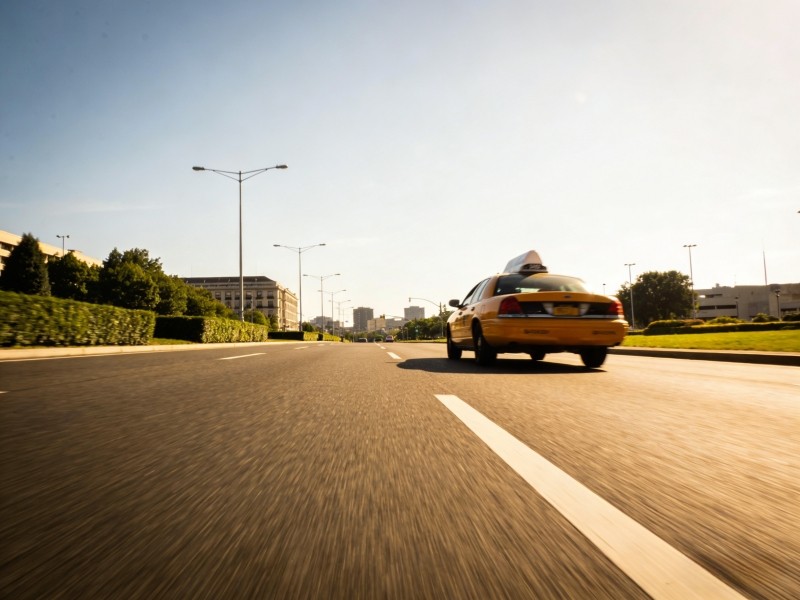
Fleet speed management is more than checking whether a driver broke the posted limit. A safe speed also depends on weather, traffic, road shape, visibility, load and the people around the vehicle.
The short answer
Use a clear speed policy, suitable vehicle alerts, fair event review and short coaching. Treat technology as one part of a wider safety system. Drivers still need to slow down when conditions make the posted limit unsafe.

What is fleet speed management?
It is a planned way to reduce speed-related risk across vehicles, routes and jobs. It may include policies, route planning, telematics, in-cab alerts, driver training and event review.
Australia's Safe System approach treats speed as a key part of crash risk and injury severity. This means fleets should consider both legal limits and the speed that suits current conditions.
Which speed risks should fleets review?
Look beyond a simple speeding count. Review repeated events by route, time, weather, vehicle type and job pressure. A pattern near a depot gate may need a site change, while a pattern on wet roads may need different scheduling or coaching.
- Driving too fast for rain, glare or poor visibility
- Entering curves, yards or work zones too quickly
- Schedule pressure that rewards rushed driving
- Alerts that sound too often and are ignored
How can telematics and cameras help?
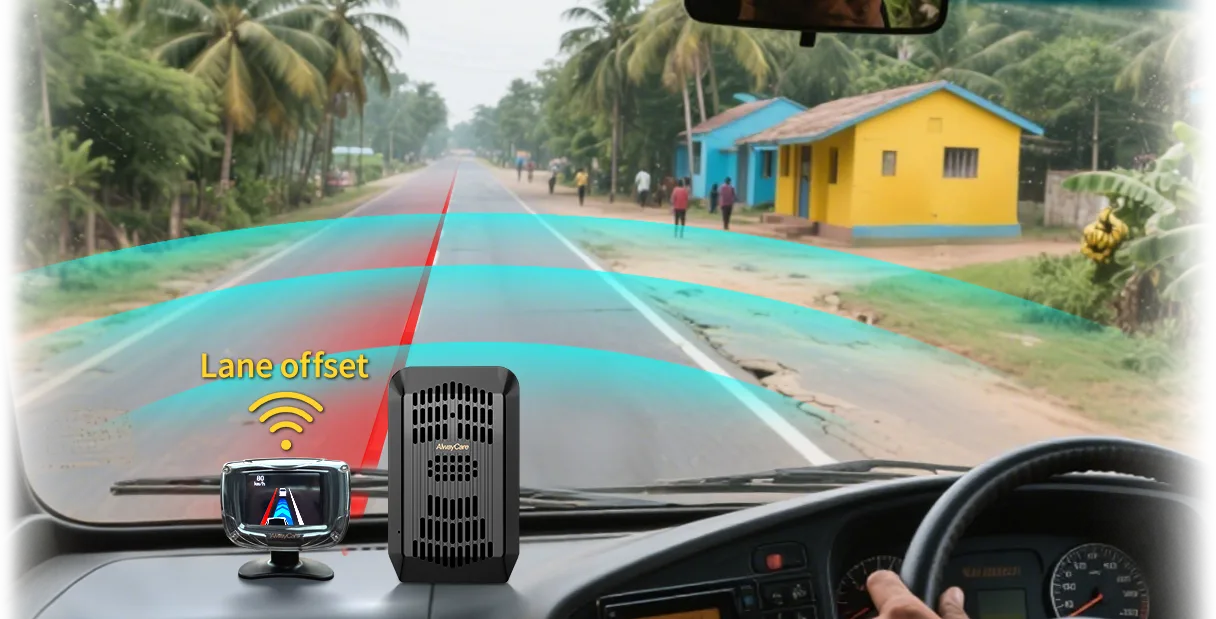
Telematics can show speed events, location and time. Video can add road context. Together, they help a reviewer see whether the issue was a limit breach, a poor speed choice or a false alert.
Do not coach from a number alone. Check the map, road type, sign data and footage when available. Give the driver a chance to explain the event.
What makes driver coaching fair?
Focus on one clear event and one safer action. Explain the standard before using it for review. Apply the same rule across drivers and recognise improvement as well as problems.
A short, specific conversation is easier to act on than a long scorecard lecture. Keep records of the event, review and agreed action.
Where can AlwayCare fit?
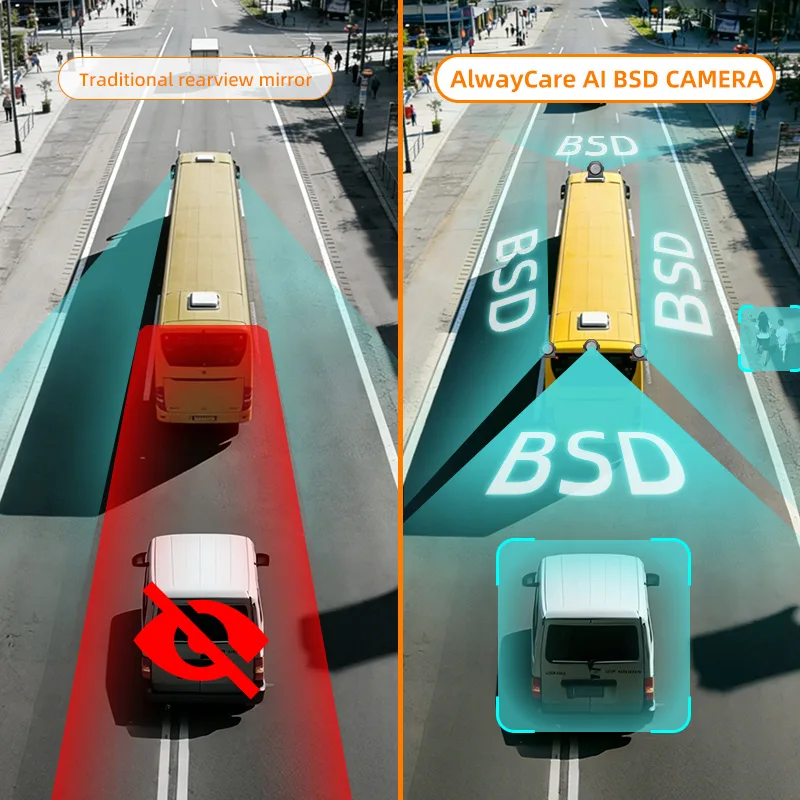
AlwayCare offers ADAS, DMS, cameras and video systems that can add warnings or event context. The AWS302 lists forward, pedestrian, lane and headway warnings.
The right setup depends on the vehicle and risk. Test alert timing, volume, camera position and driver response before a full rollout.
Common questions
Is the posted limit always a safe speed?
No. Drivers may need to travel more slowly when road, traffic or weather conditions are poor.
Should every speed event lead to discipline?
No. First check the event, context and system accuracy. Coaching and system changes may be more useful.
Can an alert stop a collision?
An alert may support the driver, but it cannot guarantee a safe outcome.
Key point to remember
Choose the control that matches the real risk, test it on the target vehicles and keep people responsible for the final decision.
Contact AlwayCare to discuss the vehicle, route and warning or visibility needs.
Information checked
This guide uses Australia's National Road Safety Strategy and Vision Zero Safe System guidance. It is general fleet-safety information, not legal advice.