Four Technology Shifts Shaping Australian Fleets
- Share
- Issue Time
- Dec 26,2025
Summary
Explore four changes shaping Australian fleets: linked vehicle data, earlier safety warnings, cleaner energy and wider transport data sharing.
Australian Fleet Outlook
Australian fleets are testing new ways to link vehicles and data. They are also trying fuels and power that may cut pollution. The pace will differ by route, vehicle and region.
The short answer
Four changes stand out. Fleets will link more vehicle data. Safety sensors will warn sooner. More vehicles will use clean power or fuel. Road systems will share more data. Test each change in real work before a large rollout.
1. Fleets will link more data
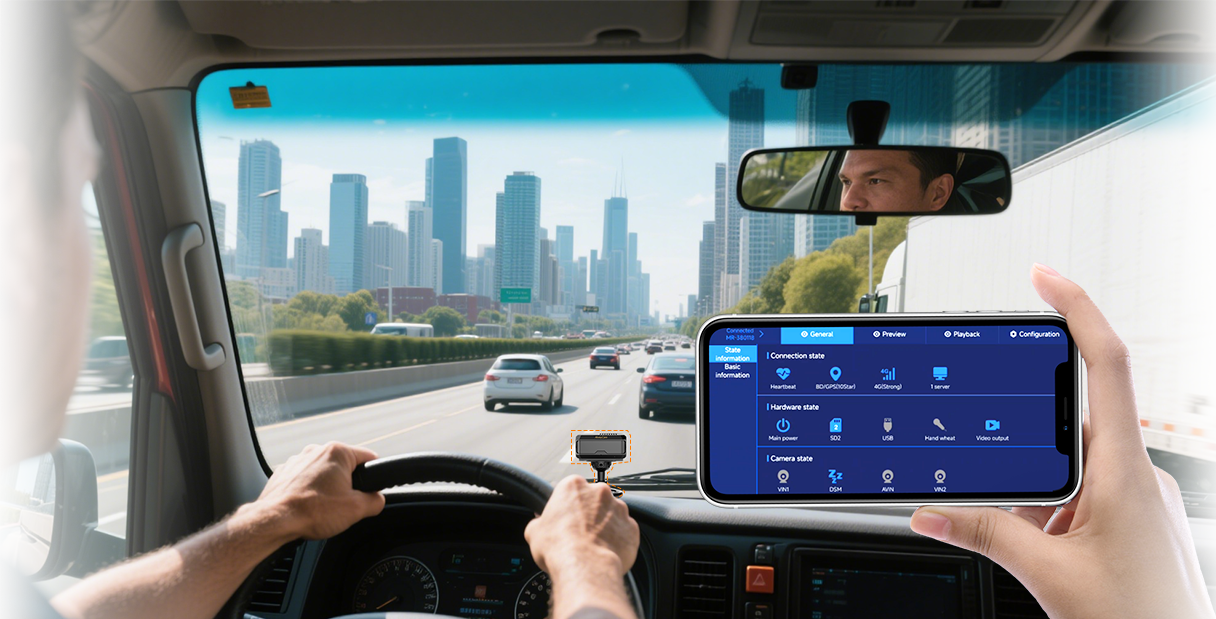
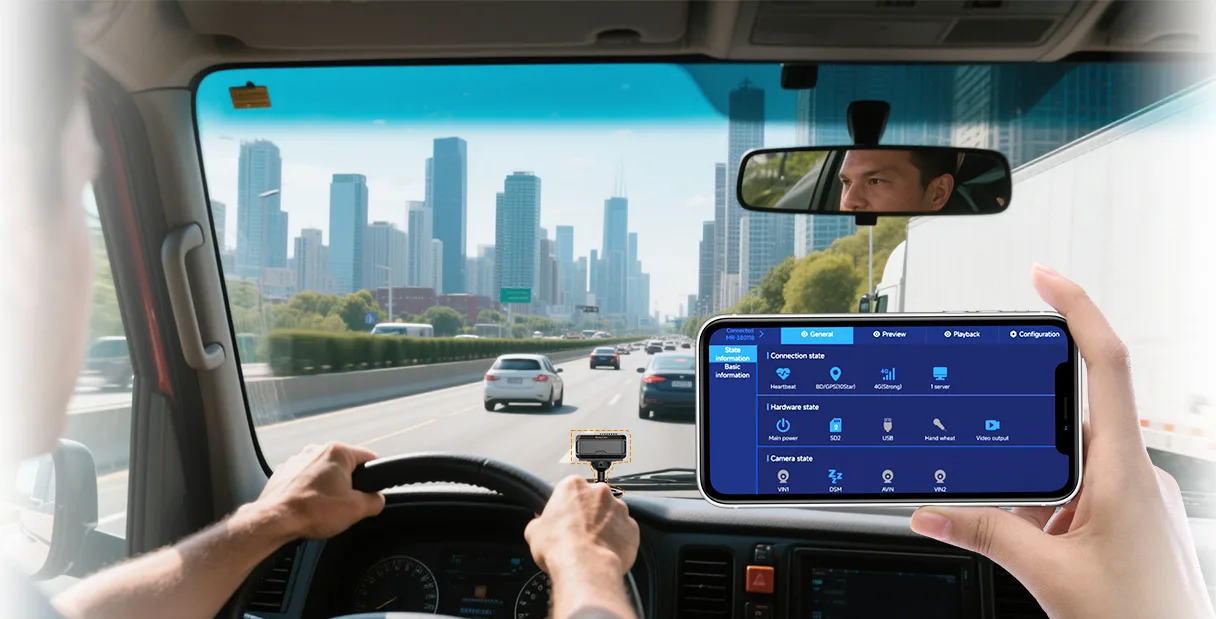
GPS, vehicle data, cameras and job tools can show the same fleet work. The hard part is turning all this data into a few clear actions.
Before adding a system, check who owns the data. Check exports, coverage, safety and links to other tools. A small tool that shares data can be better than a large closed dashboard.
2. Safety tools will warn sooner
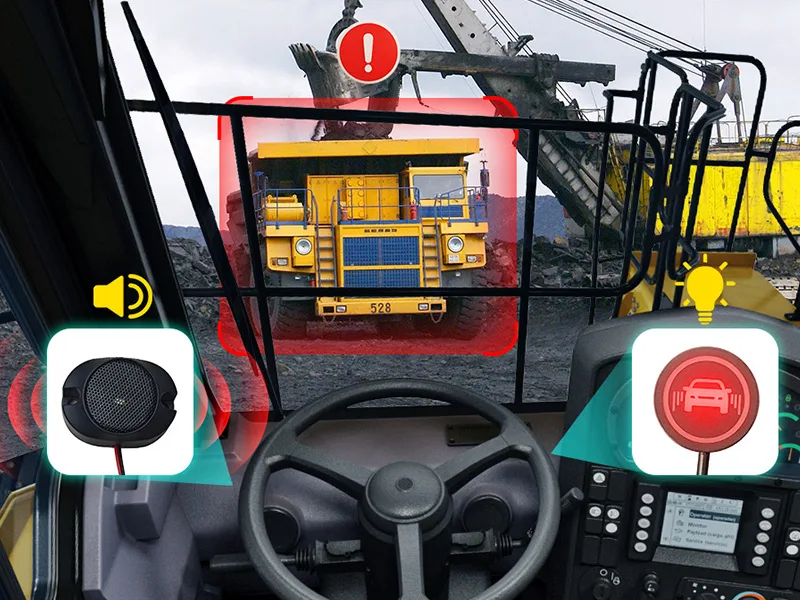
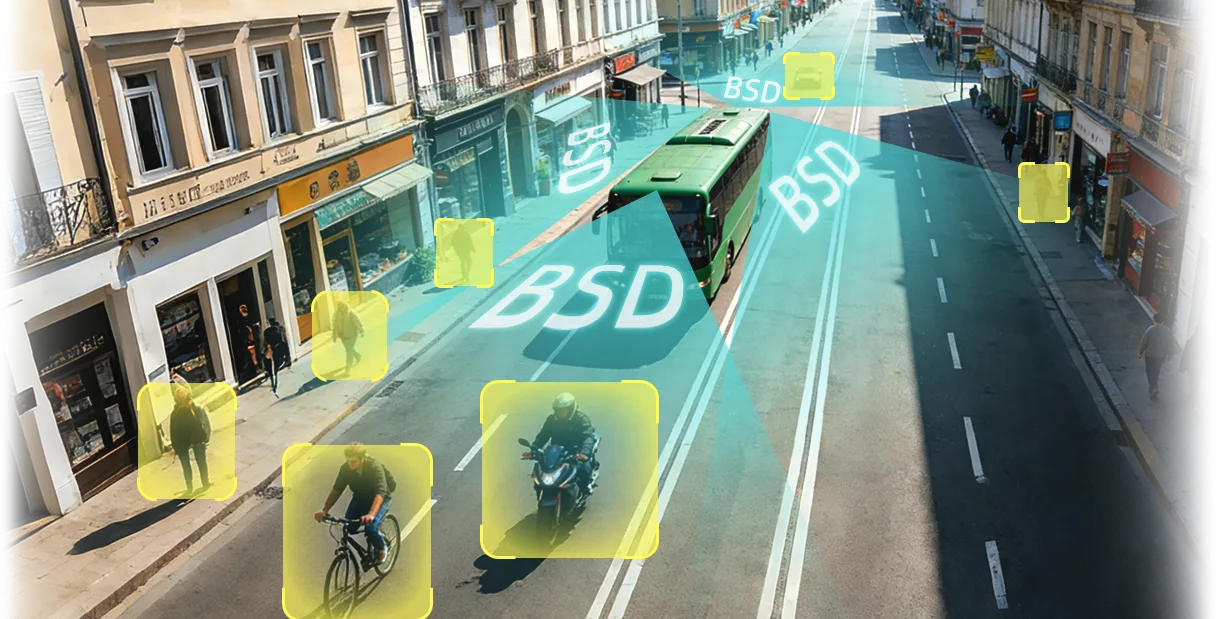
Cameras once focused mainly on recording. Newer systems may add driver, lane, headway, blind spot or nearby-object warnings.
These systems have limits. Weather, lighting, camera position and calibration can affect performance. Drivers need to understand what each warning can and cannot do.
3. Routes will shape the energy choice
Electric trucks are entering more freight work in Australia. Support sites and rules are still changing. The fit depends on distance, load, charging, lost work time, weather and total cost.
Start with a route where energy use and parking are known. Record real range and charging time before making wider claims.
4. Vehicles will share more road data
Australian policy supports the safe use of new road tech. Over time, vehicles may get more data from roads, depots and traffic tools.
Fleets should plan for shared data rules, secure systems and a safe backup when the link fails.
What should fleets do now?
Build a clean vehicle and route baseline. Choose hardware with clear interfaces and support. Test one use case, train users and review results before expansion.
AlwayCare offers connected cameras and warning systems that can form part of this base. Discuss the vehicle and use case before choosing a product.
Common questions
Will every fleet become electric at the same time?
No. Vehicle supply, route needs, charging and costs differ across fleets and regions.
Does connected technology mean a vehicle is automated?
No. A connected system may share data without controlling the vehicle.
How can a fleet avoid buying technology too early?
Start with an operational need, run a limited trial and require clear data access and support.
Key point to remember
Choose the control that matches the real risk, test it on the target vehicles and keep people responsible for the final decision.
Contact AlwayCare to discuss the vehicle, route and warning or visibility needs.
Information checked
This outlook was checked against Australia's National Road Transport Technology Strategy and 2024–27 Action Plan, plus the Productivity Commission's 2026 discussion of electric trucks.