Green Fleet Management: A Practical Emissions and Fuel Guide
- Share
- Issue Time
- Jan 27,2026
Summary
Learn how to build a fleet fuel and energy baseline, reduce waste, test lower-emission vehicles and report results without broad green claims.
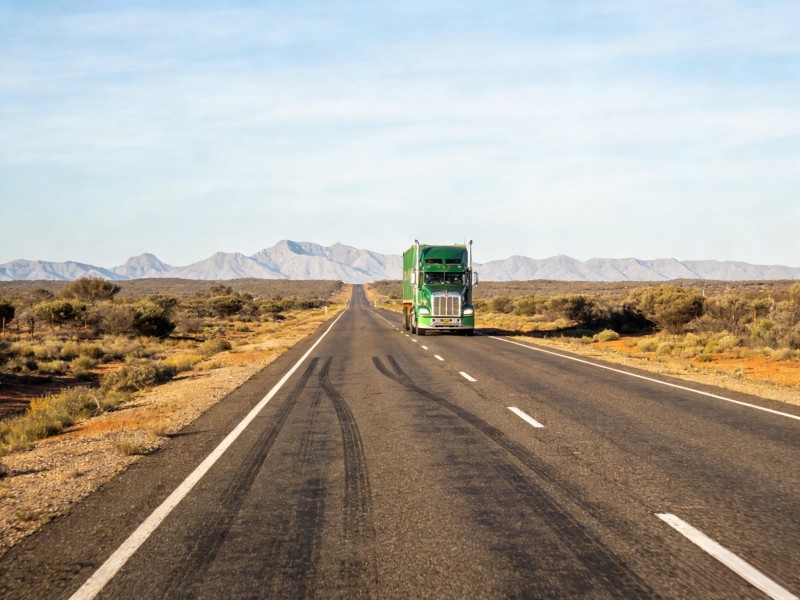
Sustainable Fleet Guide
A green fleet plan starts with a clear baseline. The team needs to know which vehicles use the most fuel or power. It also needs to know why they are used and which changes fit each route.
The short answer
Measure fuel or power use first. Cut trips and idle time that are not needed. Keep vehicles in good shape and help drivers use smooth inputs. Test cleaner vehicles on routes that suit them. Report real results, not broad green claims.
What is green fleet management?
It is a plan to cut fuel use, power use and harmful gases while keeping the fleet fit for work. It covers vehicle choice, routes, loads, care, charging and driver habits.
There is no single best fuel or vehicle for every job. City vans, long-haul trucks, buses and off-road machines have different range and load needs. They also use different support sites.
Where should a fleet start?
Build a simple baseline for each vehicle or group. Record distance, fuel or power, idle time, load, route and lost work time. Use the same units each month.
- Remove unnecessary trips and empty distance
- Reduce avoidable idling where it is safe to do so
- Keep tyres, brakes and engines in suitable condition
- Match vehicle size and energy type to the job
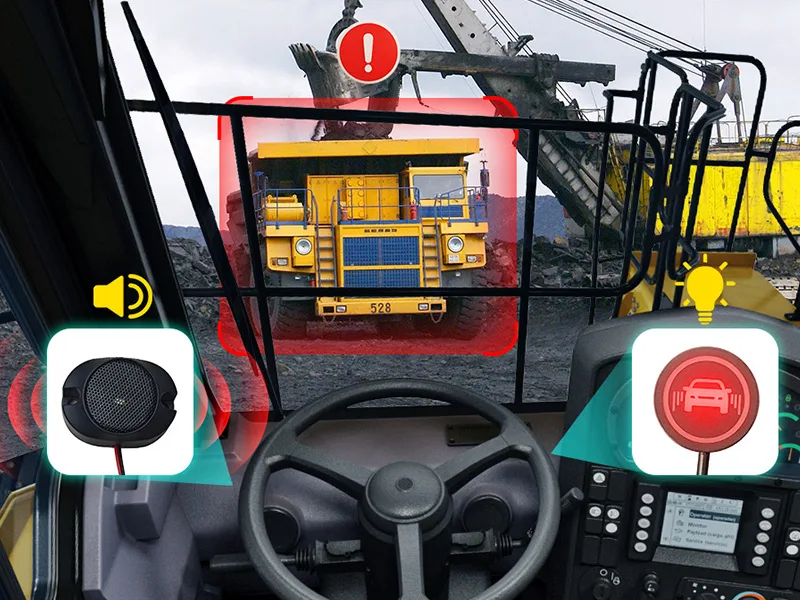
How can telematics support the plan?
Telematics can help show distance, route patterns, vehicle use and selected driving events. It may help a fleet find vehicles that are underused or routes that create avoidable distance.
Data must be sound. Missing trips, wrong fuel entries or mixed vehicle groups can give a false result. Check the source before you report a saving.
When should a fleet test electric or other fuels?
Start with routes that have a known distance, load, parking place and power or fuel access. Include weather, extra power use and lost work time in the trial.
Compare the full job, not only the energy price. Vehicle purchase, infrastructure, maintenance, range, payload and resale may affect the result.
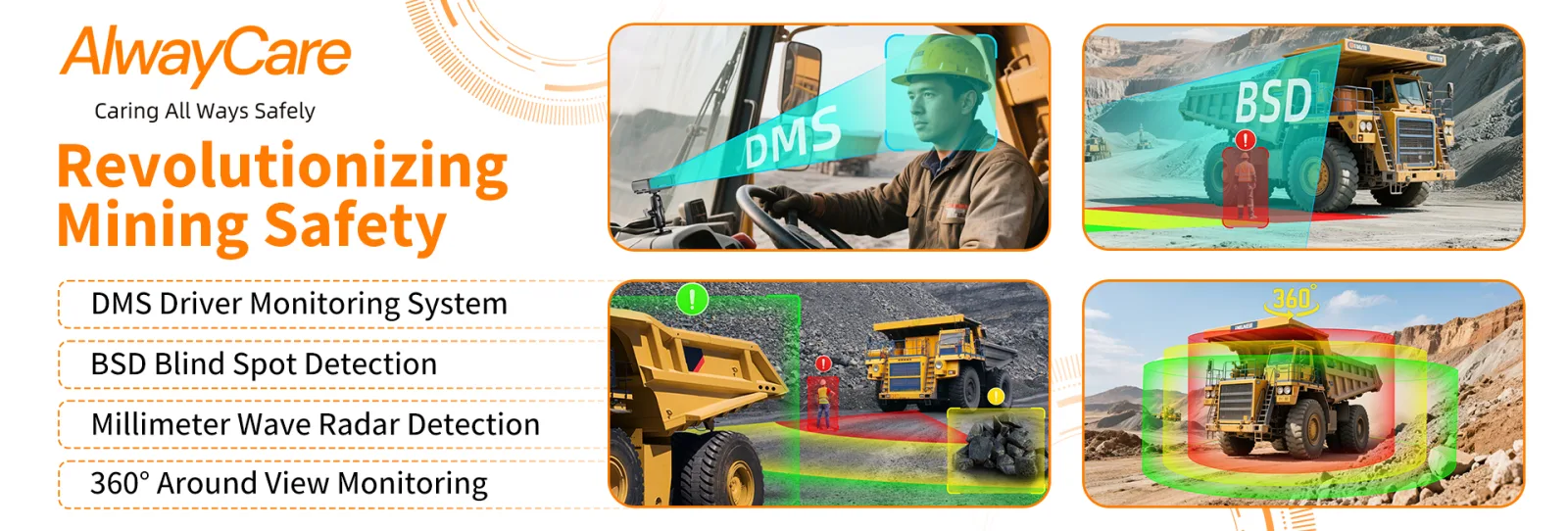
How can AlwayCare support measurement?
AlwayCare positioning and video products can add trip and event context to a wider fleet program. Use the data to support route reviews, driver discussions and vehicle-use checks.
Ask which signals the selected device can collect from the target vehicle. Do not assume a camera or tracker can measure fuel, battery health or emissions without the required connection.
Common questions
Does a green fleet need to replace every vehicle?
No. Many fleets begin with better measurement, route planning, maintenance and targeted vehicle trials.
Can telematics calculate emissions on its own?
It may support a calculation, but the fleet still needs reliable fuel or energy data and a clear method.
Is an electric vehicle always the lowest-emission choice?
The answer depends on the route, load, energy source, vehicle life cycle and local infrastructure.
Key point to remember
Choose the control that matches the real risk, test it on the target vehicles and keep people responsible for the final decision.
Contact AlwayCare to discuss the vehicle, route and warning or visibility needs.
Information checked
This guide was checked against Natural Resources Canada's Fleet Efficiency Tool and U.S. Department of Energy sustainable fleet guidance. Use local emissions factors for formal reporting.