How Fleet Management Systems Help Control Operating Costs
- Share
- Issue Time
- Jan 26,2026
Summary
Learn how fleet systems can help teams measure fuel, maintenance, claims, downtime and route costs without promising automatic savings.

Fleet Cost Guide
A fleet system can make running costs easier to see. It can link trips, vehicle use, driving events and service records. It does not promise savings. It can show where a fleet should look first.
The short answer
Track a small set of costs per vehicle: fuel or energy, maintenance, tyres, claims, downtime and distance. Use fleet data to find patterns, test one change and compare the result with a clear baseline.

Which fleet costs should be measured?
Start with costs the team can name and check. Common groups are vehicle payments, fuel or power, service, tyres, insurance, claims, tolls, labour and lost work time.
Use cost per vehicle, per kilometre, per job or per operating hour where it fits. A single fleet total can hide one vehicle or route that needs attention.
How can data help with fuel and route costs?
Location and trip records can show avoidable distance, long stops and repeated route delays. Vehicle data may also show selected idling or driving events when the correct connection is available.
Do not promise a saving before measuring the baseline. Test one route, policy or driver-support change and compare a similar period.
- Choose one cost and one fleet group
- Check data quality and missing records
- Test a change for a set period
- Compare cost and service results
How can cameras support claims review?
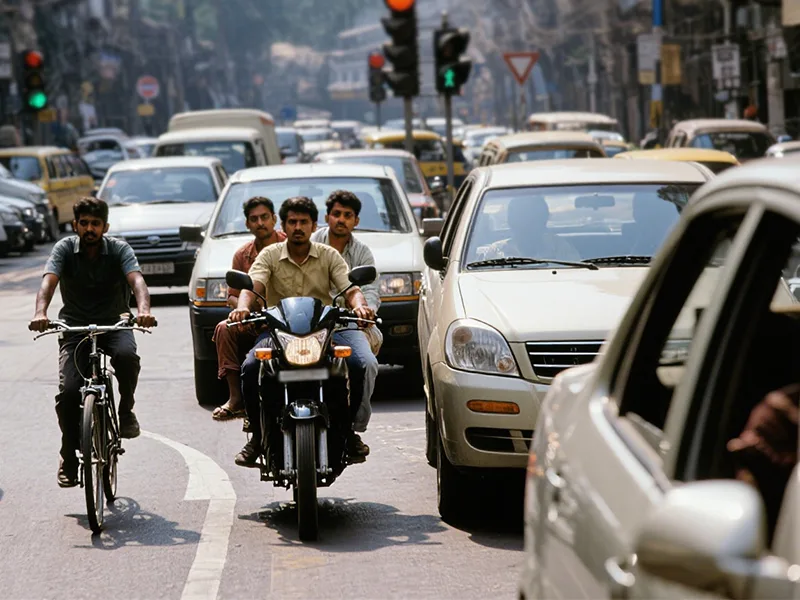
Video may help a reviewer understand what happened before and during a road event. It can support a claim file, driver review or customer-service check.
Footage is evidence, not an automatic judgement. Keep it secure, preserve the original clip and follow local privacy and claims procedures.
What is the role of maintenance data?
Distance, engine hours and fault information can support service scheduling when the vehicle and device provide those signals. Maintenance history should remain part of the decision.
An alert does not replace inspection. A qualified person should check the vehicle and decide what work is needed.
What should buyers ask AlwayCare?
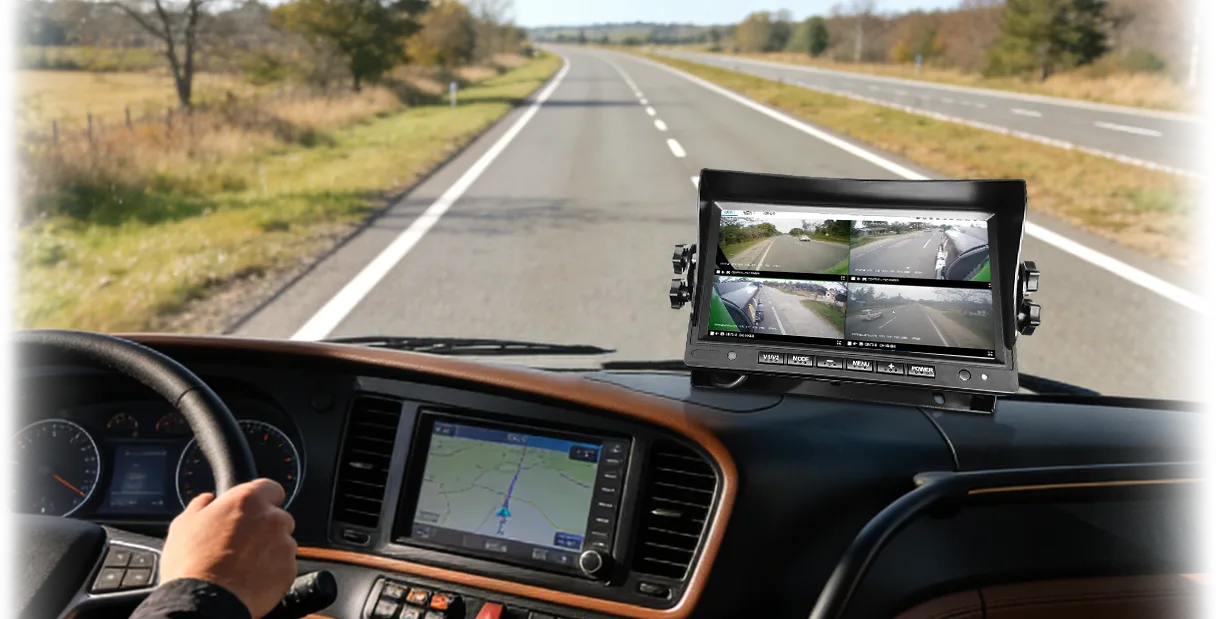
Ask which vehicle signals, reports, alerts, storage and video functions are included in the proposed setup. AlwayCare offers several connected camera and warning products for different fleet needs.
Begin with a short pilot and agreed measures. Contact AlwayCare with the vehicle type, operating region and cost problem you want to study.
Common questions
Will a fleet system always reduce costs?
No. Results depend on the starting problem, data quality, management action and operating conditions.
Which KPI should a fleet start with?
Choose one measurable cost linked to a clear action, such as avoidable distance, idling time or unplanned downtime.
Can video prevent every false claim?
No. It may provide useful evidence, but claim outcomes depend on the full facts and local process.
Key point to remember
Choose the control that matches the real risk, test it on the target vehicles and keep people responsible for the final decision.
Contact AlwayCare to discuss the vehicle, route and warning or visibility needs.
Information checked
This guide was checked against the U.S. Department of Energy federal fleet telematics guide and current fleet-cost search results. All savings should be measured from the fleet's own baseline.