Navigating Compliance: Understanding the Key Differences Between ELD and AOBRD Systems
- Share
- Issue Time
- Jan 28,2026
Summary
Confused about ELD vs AOBRD systems? Learn the key differences and why upgrading to a compliant ELD solution matters for your fleet in 2026. AlwayCare makes it easy.
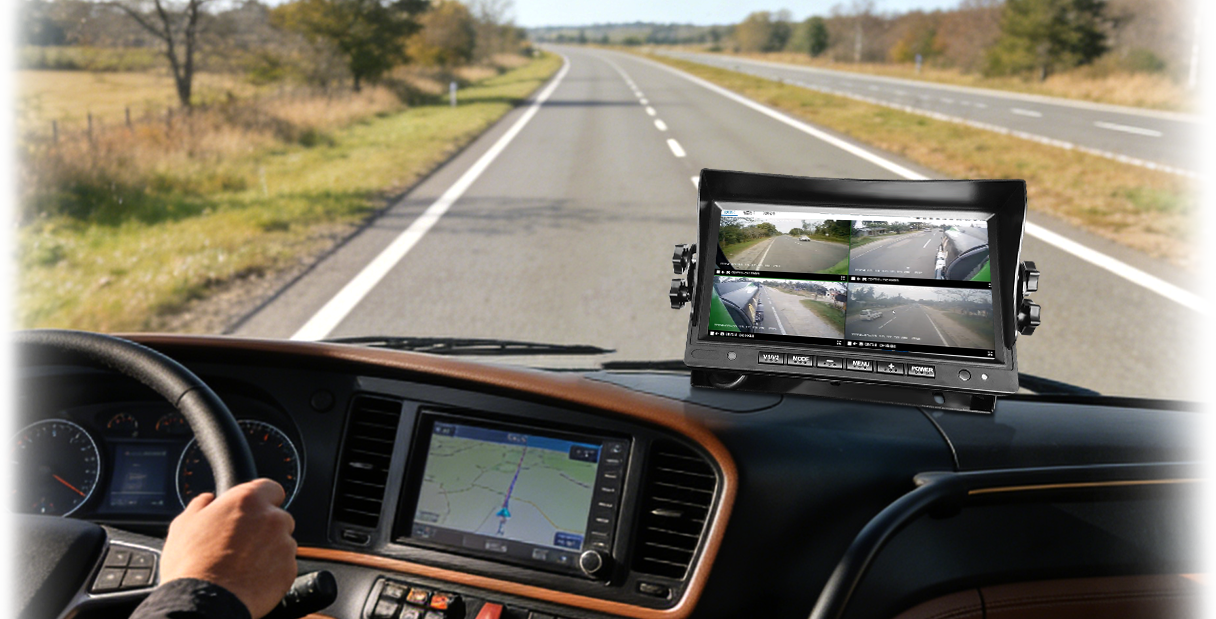
For fleet operators and commercial drivers, maintaining accurate records of driving hours isn't just a best practice—it's a legal requirement. While electronic logging devices (ELDs) and automatic onboard recording devices (AOBRDs) both serve to digitize hours-of-service (HOS) tracking, they differ significantly in capability, compliance, and functionality.
As regulations evolve and enforcement tightens, understanding these distinctions is essential for any transport business aiming to stay compliant, efficient, and safe on the road.
What Is an AOBRD?
AOBRDs emerged as the first generation of electronic HOS recorders, initially designed to bring greater accuracy to an industry long reliant on paper logs. These systems automated the capture of driving time and simplified reporting for both operators and regulators.
However, as legacy technology, AOBRDs lack many of the precision and security features required under modern transport safety standards.
What Is the ELD Mandate?
The ELD mandate, enforced by the Federal Motor Carrier Safety Administration (FMCSA), requires most commercial motor vehicle operators to use registered ELDs for HOS tracking. Although the rule took effect in 2016, a phased implementation allowed fleets using AOBRDs until December 2019 to upgrade.
Today, ELDs represent the industry standard—offering stricter data integrity, real-time visibility, and streamlined compliance processes.
ELD vs. AOBRD: 5 Critical Differences
1. Data Transfer During Inspections
AOBRDs lack a standardized method for sharing log data with enforcement personnel. Inspectors must rely on printed records or device displays, which can slow down the review process.
ELDs, by contrast, support instant data transfer via Bluetooth, USB, or email—enabling inspectors to quickly verify compliance without entering the vehicle.
2. Location Recording Accuracy
While AOBRDs capture location data mainly at duty-status changes, ELDs record vehicle location automatically at regular intervals—at least once every five miles. ELDs also provide precise latitude and longitude coordinates, improving route verification and accountability.
3. Editing and Annotations
With AOBRDs, carriers can edit log entries to correct errors, often without detailed audit trails. ELDs enforce stricter protocols: any edit must include an annotation explaining the change, and drivers must review and certify any modifications proposed by the carrier.
This ensures transparency and reduces the risk of unintentional or deliberate log manipulation.
4. Driving Time Edits
AOBRDs permit edits to driving time when attributed to the wrong driver. Under the ELD rule, however, driving time cannot be altered—only non-driving duty statuses may be edited, and only with proper documentation.
5. Automated Status Changes
ELDs automatically switch a driver's status to “On-Duty, Not Driving” when the vehicle has been stationary for five consecutive minutes. AOBRDs do not require this automation, leaving room for recording inaccuracies.
Should Your Fleet Upgrade from AOBRD to ELD?
Unless qualifying for limited exemptions—such as operating pre-2000 model-year vehicles or using paper logs fewer than eight days in a 30-day period—all commercial fleets must now use ELDs.
Beyond compliance, upgrading to an ELD system offers measurable benefits:
• Improved accuracy through automated data capture and status updates
• Simplified inspections with standardized, digital log sharing
• Reduced administrative workload via integrated mobile and cloud platforms
• Enhanced safety insights by pairing HOS data with real-time driver behavior analytics
Make the Transition Simple with AlwayCare
Upgrading your logging system doesn't have to mean overhauling your operations. AlwayCare's integrated ELD solution works seamlessly with your existing fleet technology—delivering FMCSA-compliant logging, easy inspection workflows, and actionable driver insights all in one platform.
Whether you manage a small local fleet or a national logistics operation, our team can help you transition smoothly and sustainably.
Ready to simplify compliance and upgrade your HOS tracking?
Explore AlwayCare's ELD solutions—schedule a demo or download our compliance checklist today.