Predictive Fleet Analytics: From Raw Data to Useful Action
- Share
- Issue Time
- Dec 31,2025
Summary
Learn how predictive fleet analytics works, which data it needs, where it can help and why people must review risk scores and alerts.
Fleet Analytics Guide
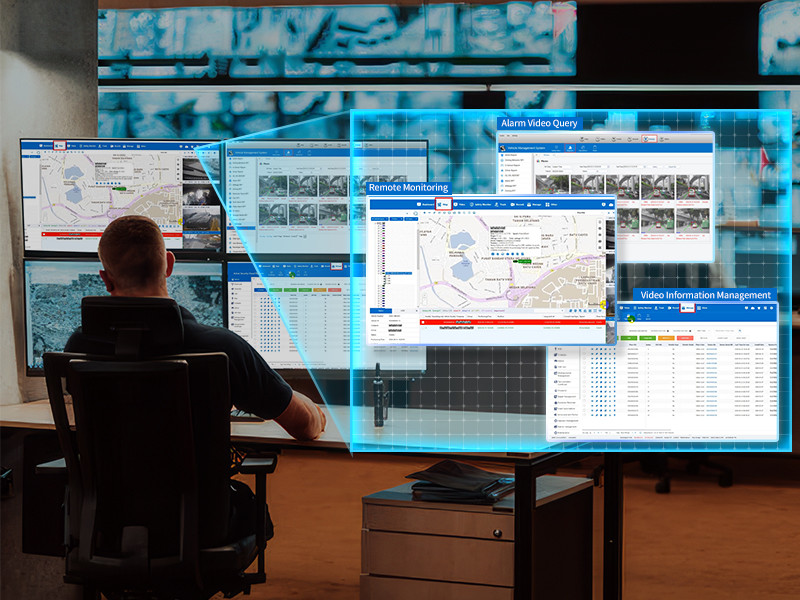
Predictive fleet analytics uses past and current data to estimate what may happen next. It can help teams rank maintenance, route or safety risks. A prediction is not a fact, so people must review it before taking action.
The short answer
Choose one decision first. Gather clean data for that decision, test the model on known outcomes and set a human review step. Measure false alerts as well as correct alerts before expanding the system.
What is predictive fleet analytics?
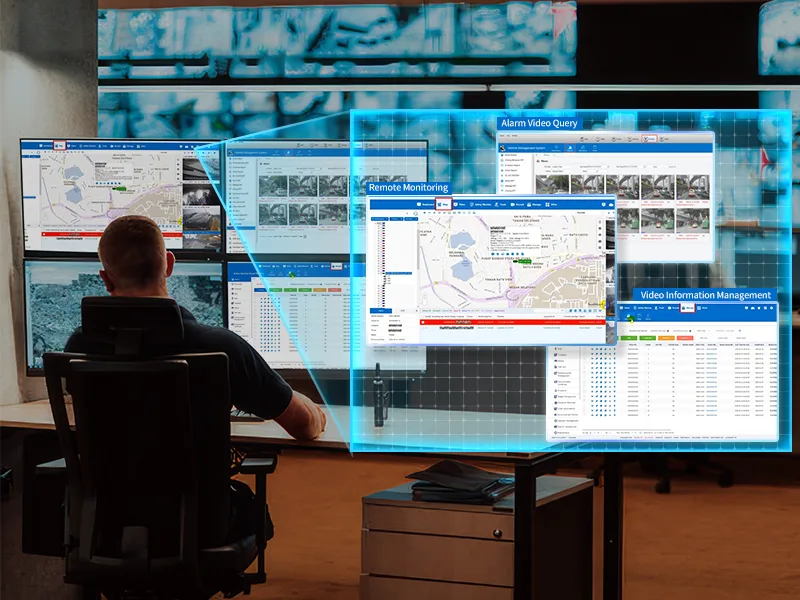
It is a method that looks for patterns in data and estimates a future event or level of risk. Examples include a part that may need inspection, a route that may be delayed or a driver event that may need review.
The system needs a target, such as a known failure or late delivery. Without a clear target, a dashboard may look advanced but offer little help.
Which data can be used?
Possible inputs include trip history, location, fault codes, service records, weather, traffic, video events and job data. The useful mix depends on the question.
More data is not always better. Missing labels, different vehicle types and changing routes can weaken a model.
- Define the decision and who owns it
- Check data sources and missing values
- Test results against known events
- Set a review and response process
Where can prediction help maintenance?
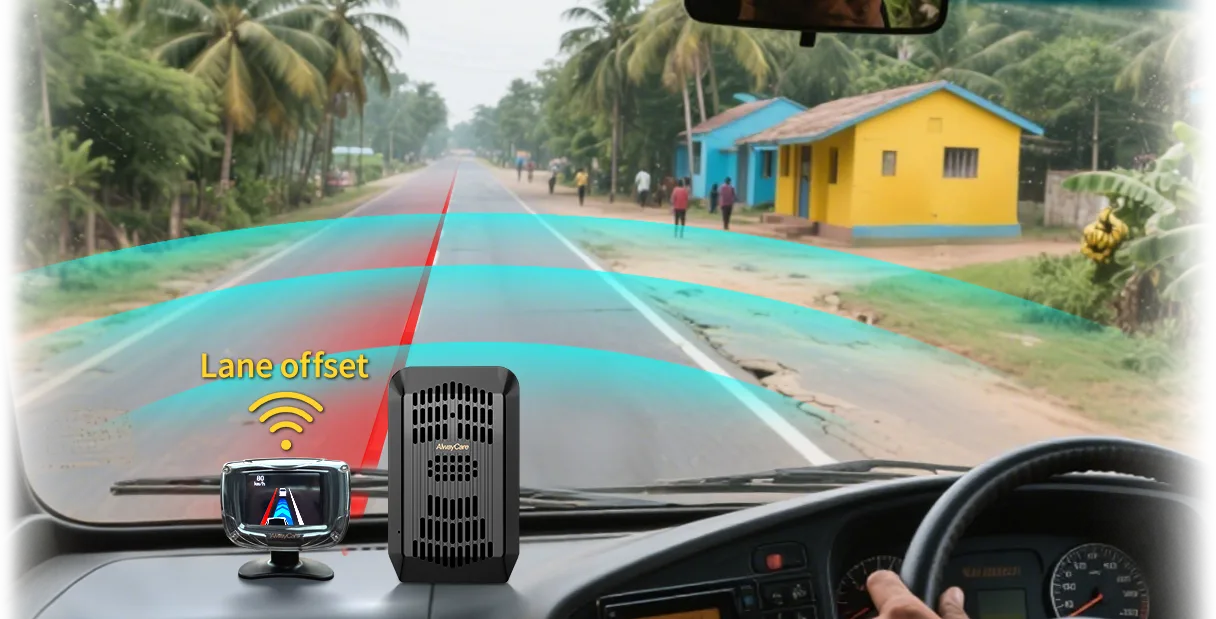
A model may rank vehicles that show patterns linked to past faults. This can help a maintenance team decide what to inspect first.
It should not replace service schedules, fault diagnosis or a qualified mechanic. A false alert wastes time, while a missed alert may leave a real risk. Track both.
How can analytics support safety?
A fleet can group repeated events by route, time, vehicle or driver. Video may add context to a harsh event or camera alert.
Do not label a driver as unsafe from one score. Check system limits, event quality, job conditions and the driver's explanation.
How should a fleet begin?
Start with a narrow problem and a small vehicle group. Agree on the expected action before collecting more data. Run the old and new process together during the trial.
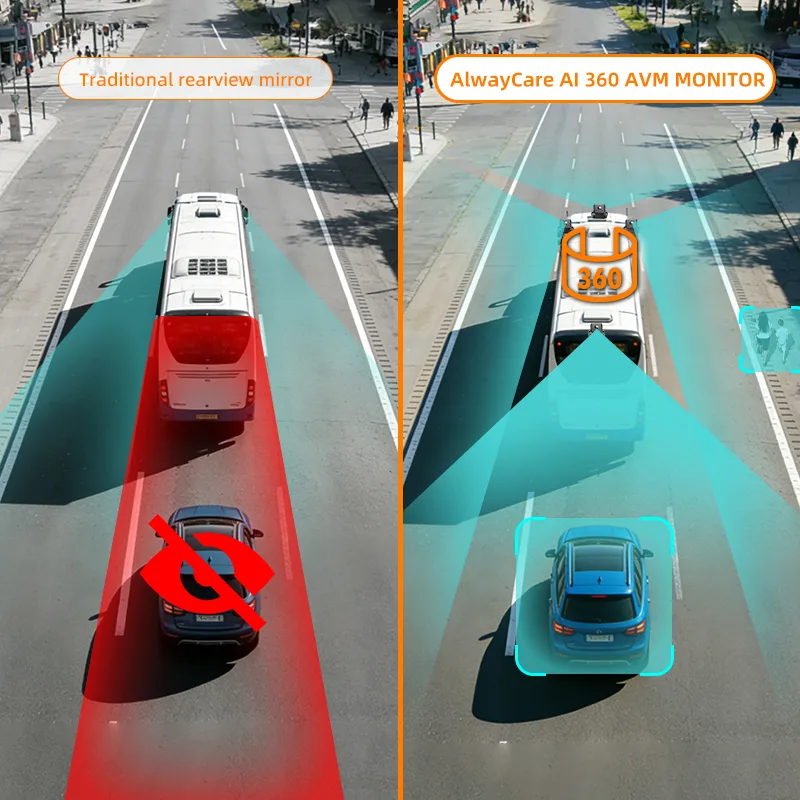
AlwayCare camera, positioning and warning products can provide selected inputs for a wider analytics workflow. Confirm data access and integration requirements before purchase.
Common questions
Is predictive analytics the same as AI?
Not always. Some prediction uses simple rules or statistics; other systems use machine learning.
Does a high risk score mean an event will happen?
No. It means the model found a pattern linked to higher risk in its data.
Can a small fleet use predictive analytics?
Yes, if it starts with a clear question and enough reliable data to support that question.
Key point to remember
Choose the control that matches the real risk, test it on the target vehicles and keep people responsible for the final decision.
Contact AlwayCare to discuss the vehicle, route and warning or visibility needs.
Information checked
This guide reflects current fleet-analytics research and U.S. Department of Energy telematics guidance. Model performance varies by data, vehicle and operating environment.