Summer Fleet Safety in Australia: Heat, Fatigue and Vehicle Checks
- Share
- Issue Time
- Dec 29,2025
Summary
Learn how Australian fleets can plan for heat, hydration, driver fatigue, cabin cooling, vehicle checks and remote-route breakdown risks.

Australian Summer Safety
Hot weather can affect people, vehicles and roads. Treat heat as a work risk, not just a comfort issue. Safe steps depend on the heat, work, route, cab cooling and each driver.
The short answer
Plan heat controls before the shift. Check weather and fire conditions, provide cool drinking water, confirm cabin cooling, adjust work and breaks where needed, and make it easy for drivers to report symptoms or vehicle problems.

How can heat affect a driver?
Heat can add to tiredness, discomfort and loss of concentration. Dehydration and heat illness can become serious. A driver may also have poor sleep after a hot night.
Warning signs can include a headache, feeling dizzy or weak, feeling sick, or acting confused. Follow the work plan and seek urgent help for serious signs.
What should a fleet plan before departure?
Check the forecast, fire warnings, route, communications and places to stop. Make sure the air conditioning works and that clean, cool drinking water is available.
Remote work needs a contact plan and a response for breakdowns. Do not rely on a camera or app as the only control.
- Schedule harder work for cooler periods where practical
- Plan suitable rest and cooling opportunities
- Check tyres, cooling system, battery and fluids
- Give drivers a clear stop-work and reporting process
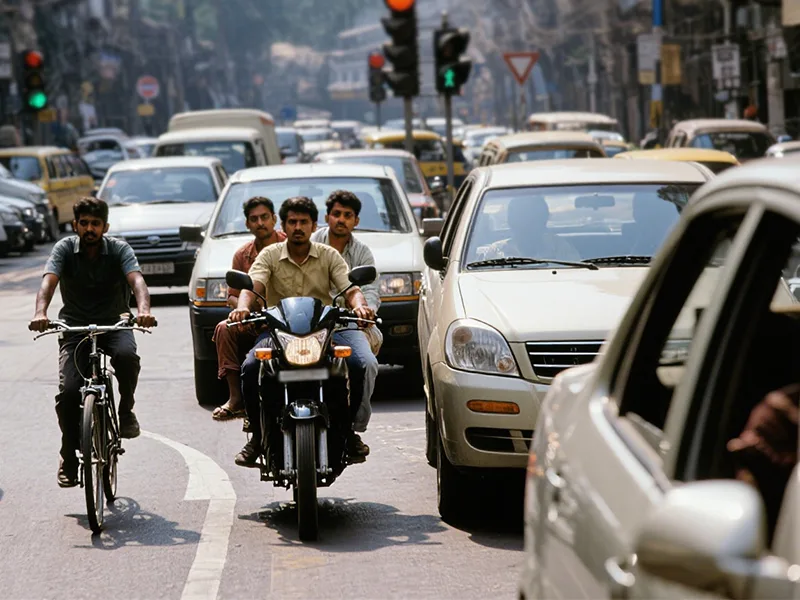
How should breaks and hydration be managed?
Safe Work Australia says heat risk must be checked and controlled. The right water and break plan depends on the work, heat, clothes and worker.
Encourage regular drinking rather than waiting for severe thirst. Drivers with health concerns should follow medical advice. Avoid giving one fixed rule as if it suits everyone.
Can driver monitoring help?
A DMS may warn about selected signs linked to drowsiness or distraction. It cannot measure hydration or diagnose heat illness.
Treat an alert as a prompt to check the driver and conditions. Review false alerts and make sure the driver knows the safe response.
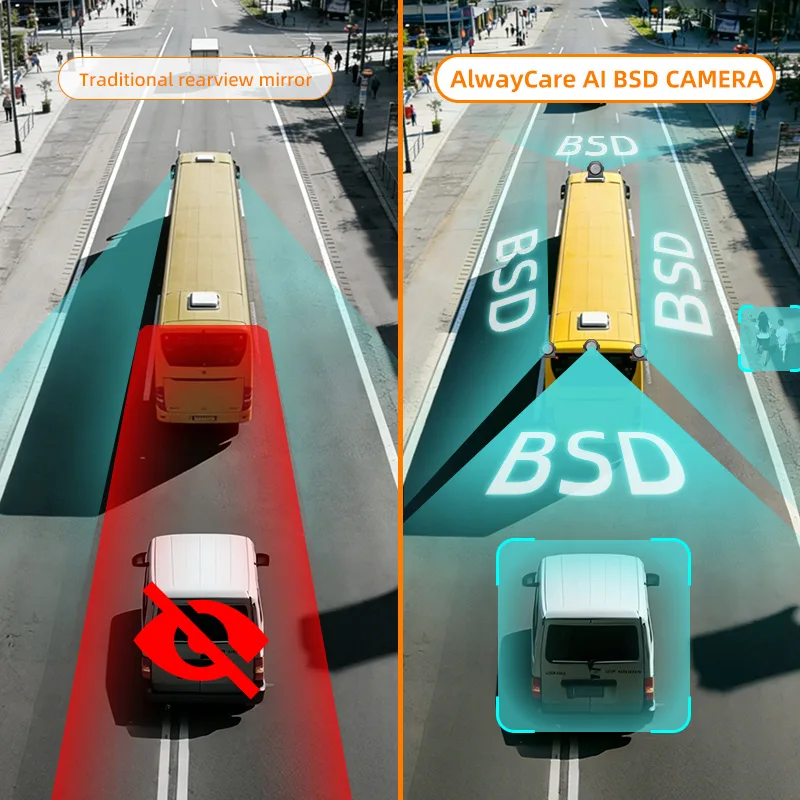
What can AlwayCare provide?
AlwayCare offers DMS and connected camera products for selected fatigue and distraction warnings. The product range includes standalone and multi-camera options.
Check the target vehicle, camera position, eyewear, lighting and alert settings in a trial. Heat safety still needs work planning, vehicle maintenance and trained people.
Common questions
Can air conditioning remove all heat risk?
No. It can reduce cabin heat, but drivers may still face dehydration, poor sleep, hot outdoor work or a cooling-system failure.
Does a DMS detect heat illness?
No. A DMS may detect selected driver behaviours, not diagnose a medical condition.
Should a driver continue after feeling dizzy or confused?
The driver should follow the fleet's emergency and stop-work procedure and seek suitable help.
Key point to remember
Choose the control that matches the real risk, test it on the target vehicles and keep people responsible for the final decision.
Contact AlwayCare to discuss the vehicle, route and warning or visibility needs.
Information checked
This guide was checked against Safe Work Australia's heat-risk guide and NHVR fatigue guidance. It is general safety information, not medical advice.