Three Practical Ways Australian Fleets Can Improve Road Safety
- Share
- Issue Time
- Dec 24,2025
Summary
Australian fleets can improve safety by mapping risks, choosing the right vehicle aids and using reviewed events for fair driver coaching.
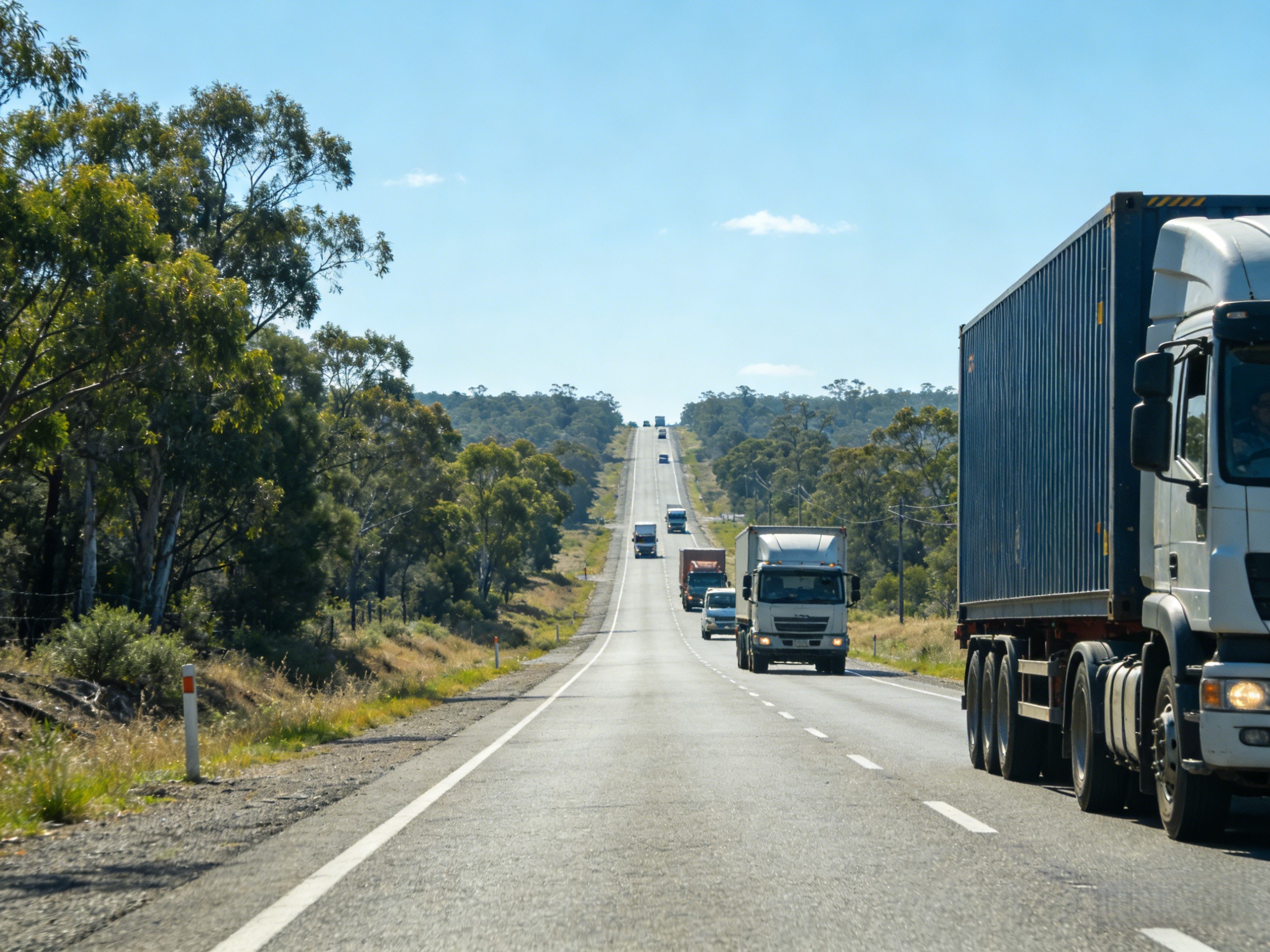
Australian Fleet Safety Guide
Australian fleets can improve safety by finding the real risks, choosing the right vehicle aids and using event data for fair coaching. Technology should support a Safe System. It should not replace safe roads, safe vehicles, safe speeds or safe work rules.
The short answer
Start with how the fleet works, not with a product list. Map the routes, vehicles, drivers and high-risk tasks. Add technology only where it gives a clear warning or better view. Then review events and fix the work process behind them.
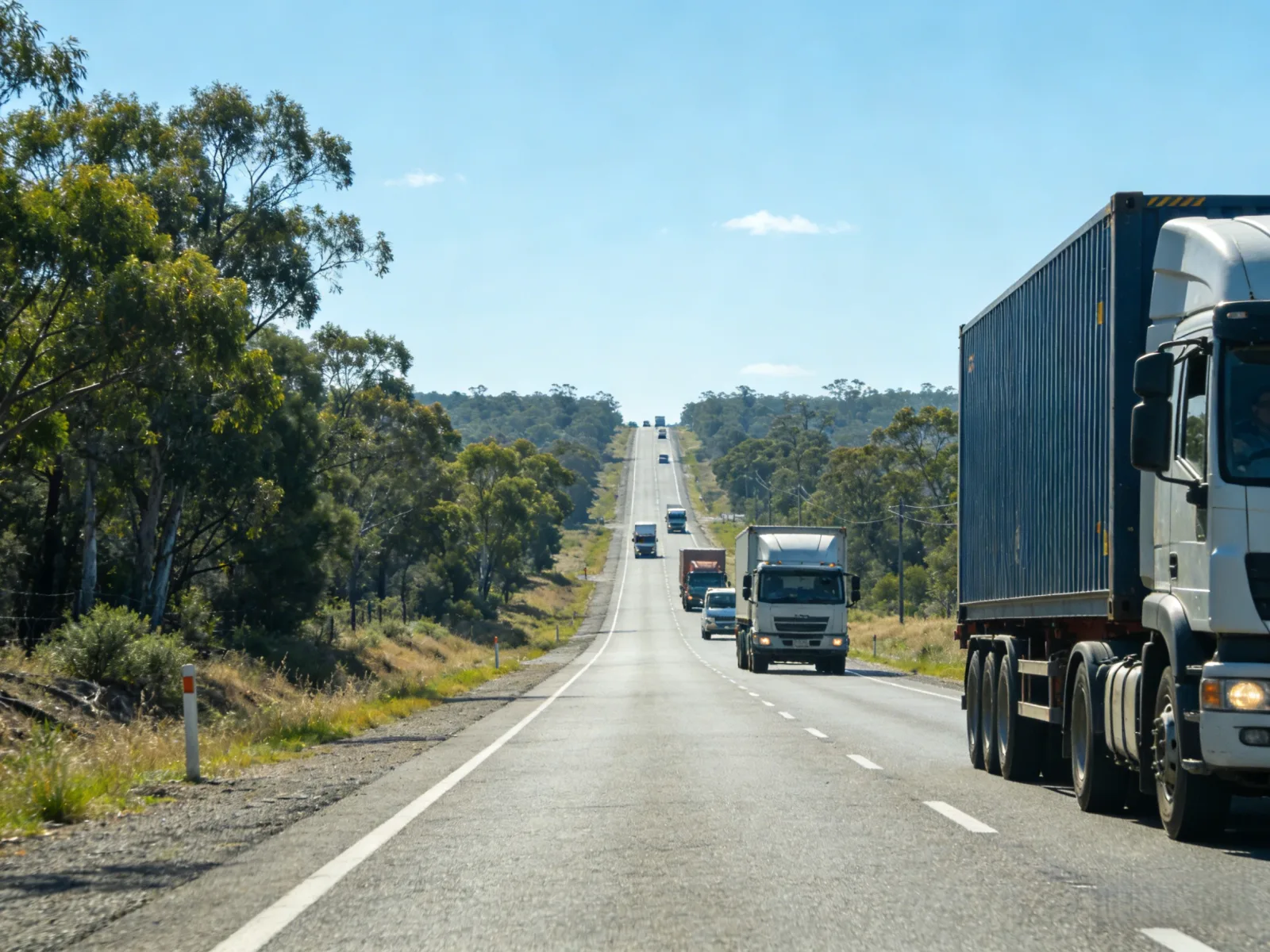
1. Map the risk before choosing technology
List the tasks that can cause serious harm. These may include fatigue, distraction, side blind spots, reversing, loading areas, speed and long remote routes.
- Route: note busy cities, remote roads, poor light and weak phone coverage.
- Vehicle: record blind areas, size, load and stopping space.
- Task: review reversing, loading, passenger work and roadside stops.
- Schedule: check whether time pressure or poor breaks create risk.
- People: include drivers, schedulers, loaders and managers in the review.
Under the Heavy Vehicle National Law, safety is a shared responsibility for parties in the Chain of Responsibility. Businesses should manage the risks they can control or influence.

2. Match each safety aid to one clear job
Driver monitoring
Can warn about set signs of fatigue or distraction in the cab.
ADAS warnings
Can warn about a forward hazard, lane movement or following gap.
Blind spot camera
Can add a side view and warn about chosen targets in a set zone.
360° view
Can join camera images to support slow movement in tight spaces.
Reversing sensors
Can add close-range distance warnings behind a vehicle.
Video telematics
Can give event context for review, training and incident checks.
A product may support more than one job, but each function still needs a test. Do not claim that a warning system prevents every crash.
3. Turn events into safer work
Check the event
Confirm what happened before making a decision.
Talk with the driver
Ask about the road, load, schedule, warning and driver action.
Find the work cause
Look for poor routes, tight time windows, weak training or a bad alert setup.
Make one clear change
Change a route, zone, schedule, camera position or work rule.
Check again
See whether the same risk returns after the change.
Good coaching is specific and fair. It should not use one unreviewed alert as proof of unsafe driving.

What does Australia's Safe System mean for fleets?
Australia's National Road Safety Strategy uses three main themes: safe roads, safe vehicles and safe road use. Speed management runs through all three.
A fleet can support this approach through safer vehicle choices, route and speed policies, driver support, maintenance and technology that is tested for the real task.
What can AlwayCare support?
AlwayCare provides driver monitoring, ADAS warnings, blind spot cameras, 360° views, reversing sensors and video telematics. These products can support a fleet's own safety system.
Fleets should pair each device with clear work rules and suitable driver training. Use qualified local training and legal advice when the task or load needs it.
Common questions
Does technology meet every Chain of Responsibility duty?
No. Duties depend on the business role and the risks it can control or influence.
Can a camera replace driver training?
No. Drivers need to understand the warning, limits and safe response.
Should every fleet buy the same system?
No. Start with the vehicles, routes and tasks that create the risk.
Key point to remember
Safer fleets use a system, not a single device. Map the risk, fit the right aid, train the people and use reviewed events to improve the work.
Explore AlwayCare fleet safety products or contact AlwayCare.
Information checked
This guide uses Australia's National Road Safety Strategy, NHVR Chain of Responsibility guidance and current AlwayCare product records. It removes unverified training, certification and staff-quote claims.