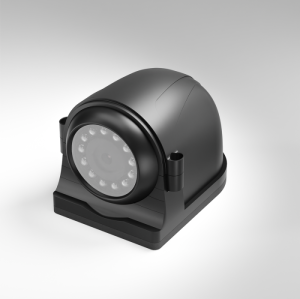
Dual-spectrum imaging
The source lists a thermal infrared camera and a visible-light camera in one system.
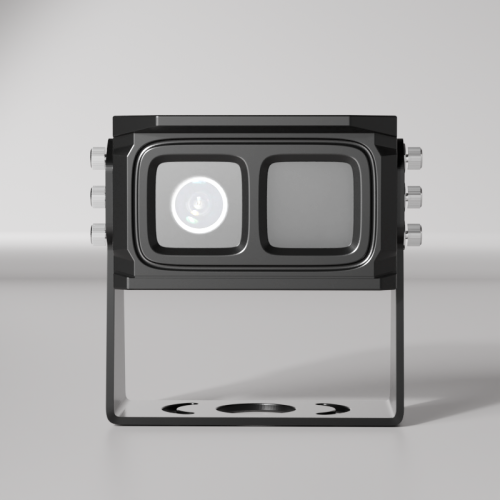
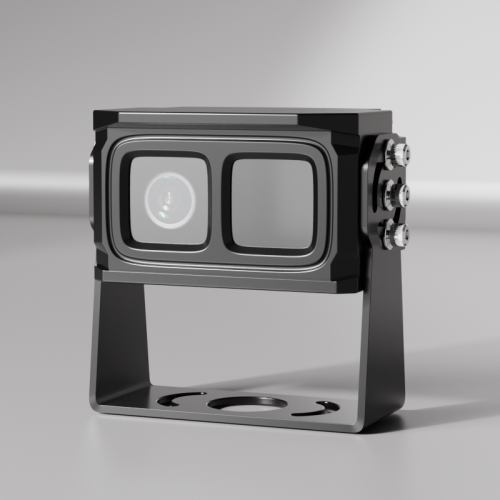
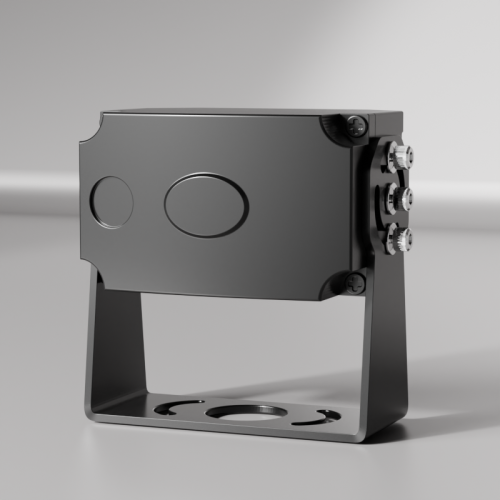
CC1003-AHD21 · Fleet camera CC1003-AHD21 is a dual-spectrum vehicle camera that combines visible-light and thermal imaging with blind-spot detection for fleets operating in difficult visibility conditions. Buyer overview The source lists a thermal infrared camera and a visible-light camera in one system. Thermal and visible images can be displayed together for operational comparison. The current body lists pedestrian and vehicle detection through a blind-spot algorithm. The structured attributes list a high-density aluminum-alloy body and −30°C to 70°C operation. System role Define the camera's monitored zone, required image or detection function, compatible display or recorder, alarm outputs, cabling and power before installation. Confirm lens view, mounting height, connector, video standard, cable length and environmental exposure for the actual vehicle. Confirm whether the camera operates alone or requires a monitor, MDVR, AI host, alarm device, platform or other interface. Current structured record Use the structured record as the current baseline. Any conflicts with older body copy are disclosed below and require confirmation. Preserved from the original page Camera placement Camera performance depends on field of view, mounting angle, target distance, lighting, obstruction, vibration and the receiving system. Example applications Use thermal and visible views to support awareness when ambient light is limited. Monitor people and vehicles around equipment in controlled sites. Add dual-spectrum context to side, rear or forward monitoring designs. Existing product video The current record does not specify thermal-sensor resolution, lens field of view, verified detection distance or alarm accuracy. The previous brief's 300m claim is therefore not repeated. Confirm both imaging channels, output interface, detection range and IP rating in the final specification. Buyer questions The source lists one thermal infrared channel and one visible-light channel. Confirm the displayed layout and output interface for the final system. The current body lists pedestrian and vehicle detection through a BSD algorithm. Detection zones and alarm outputs require project-level configuration. The structured record lists 1920×1080. It does not separately state the thermal-sensor resolution. The current detailed record does not provide a verified distance, so no fixed range should be assumed. Confirm it for the selected lens and target conditions. The structured attributes list −30°C to 70°C. Validate mounting exposure and enclosure requirements for the actual vehicle. Provide the vehicle, mounting position, target objects, viewing distance, display or recorder interface, alarm requirement and operating environment. Confirm the complete system AlwayCare can review camera position, interface, power, alarms, recording and environmental requirements.What is CC1003-AHD21?
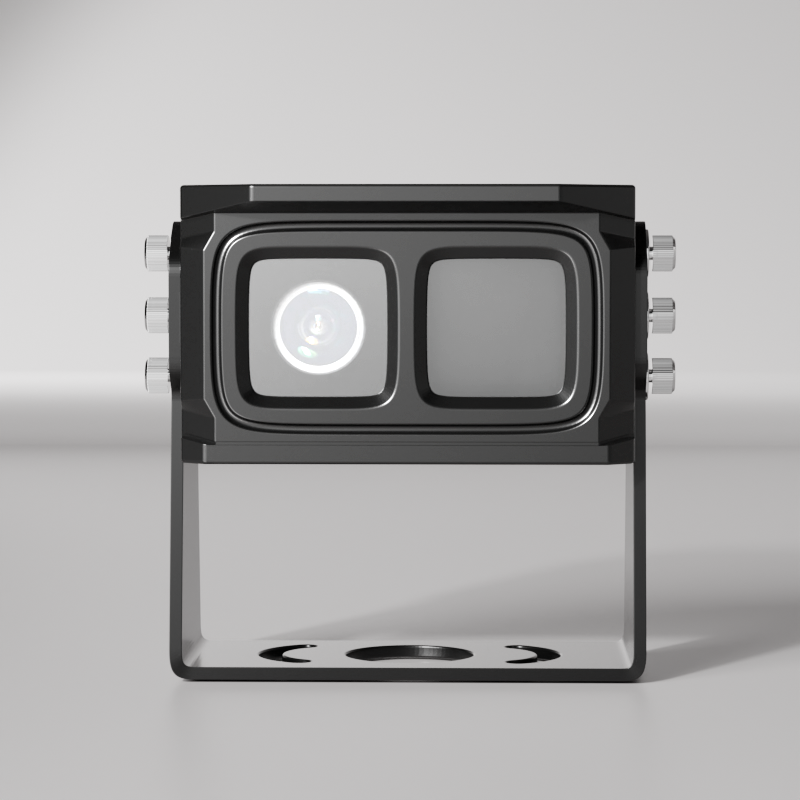
Four points to evaluate first
Dual-spectrum imaging
Split-screen view
BSD detection
Aluminum housing

How CC1003-AHD21 fits a fleet project
Installation decision
Integration decision
Technical specifications
Voltage 12V Definition 1920x1080 Material High-Density Aluminum Alloy Application Suitable for All Vehicles Operating Temperature -30℃ ~ 70℃ Warranty 15 Months Existing Product and Deployment Views
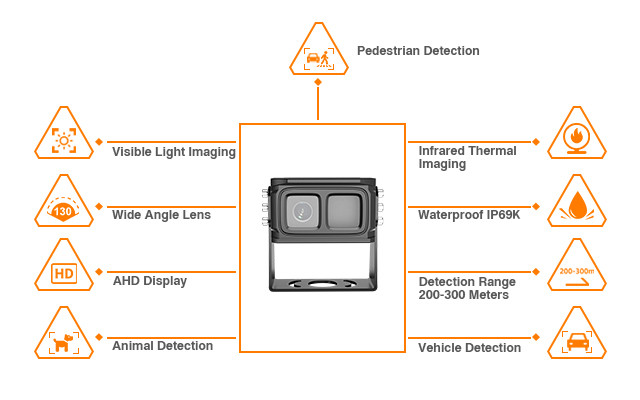
Plan the view before choosing hardware
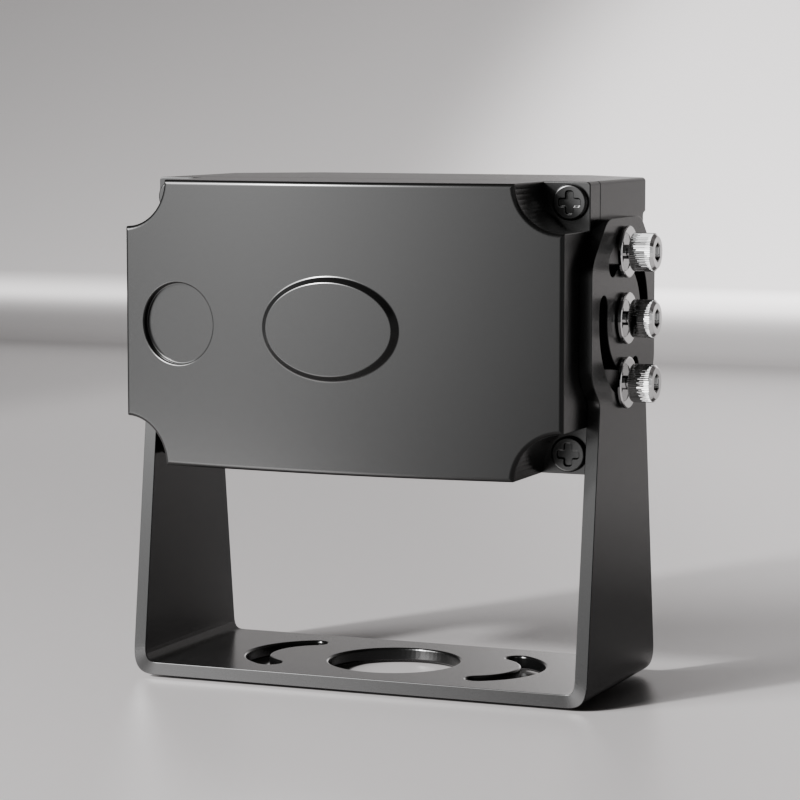
Where CC1003-AHD21 may fit
Night fleet operations
Mining and industrial fleets
Commercial trucks
See CC1003-AHD21 in context
Specification and safety boundary
CC1003-AHD21 FAQ
What does dual-spectrum mean?
Does the camera include BSD?
What is the visible-light definition?
What detection distance is supported?
What operating temperature is listed?
What information is needed before ordering?
Share your vehicle, monitored zone and receiving equipment